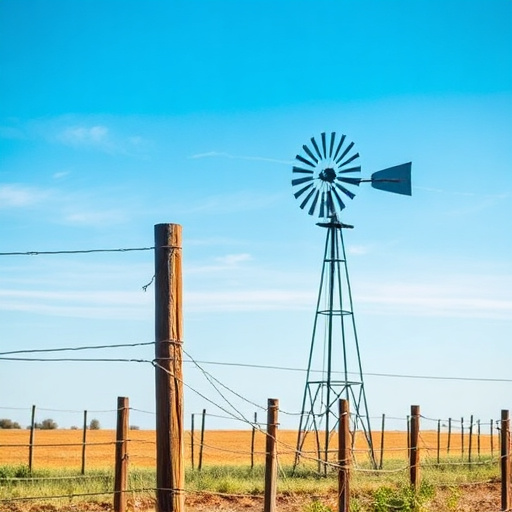
The scenic landscapes of Sonoita and Elgin, nestled in the heart of the Sonoran Desert, offer more than just breathtaking views for visitors. Here, the rich history of ranching and railroading intertwines with the thriving wine industry, creating a unique cultural mix. This article examines the fascinating past of this region, revealing how these elements have shaped its identity. By exploring the ranching and rail history, we uncover the roots of a thriving wine country that also supports an abundance of local wildlife. From the bustling fairgrounds to the tranquil grasslands, understanding this history provides a deeper connection to the area, making it a must-visit destination for those seeking authentic experiences in the desert.
- Ranching Roots: Early Settlement and Land Use
- Railroad Revolution: Connecting Sonoita and Elgin
- Wildlife in Wine Country: Coexistence and Conservation
- Tucson to Wine Tours: A Historical Evolution
Ranching Roots: Early Settlement and Land Use
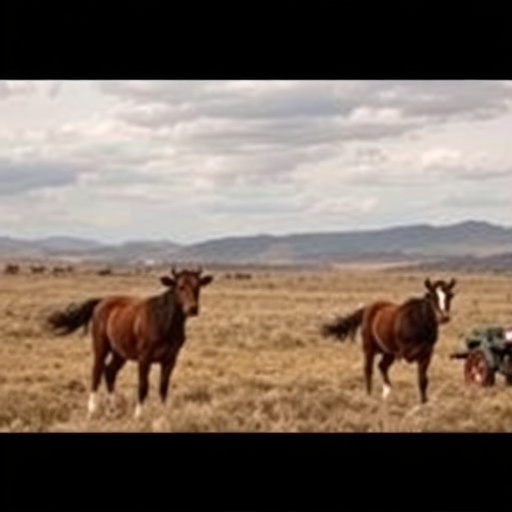
The roots of ranching in what's now known as wine country date back to the early 19th century when Spanish settlers first arrived in Arizona, establishing vast ranchos that stretched across the Sonoran Desert. This region, encompassing areas like Sonoita, Elgin, and Patagonia, was characterized by expansive grasslands-a stark contrast to the arid desert landscape. These grasslands, known as the Canelo Hills and Las Cienegas grasslands, became the backbone of the local economy, supporting livestock grazing and the establishment of ranching communities.
Early settlers found the climate and land ideal for raising cattle and sheep, with the region's microclimates providing a safe haven from the intense summer heat. The Santa Rita and Mustang mountains, looming in the distance, offered a natural barrier, protecting the grasslands from intense monsoon storms. This rugged yet fertile terrain attracted a hardy group of ranchers who built their lives around the land, passing down their knowledge and traditions for generations. The Sonoita town guide and a local guide who drives guests to Sonoita and Elgin wineries often point out these historical ranches and share stories of the families who once called this place home.
As the years passed, the region's ranching history intertwined with the development of local Arizona wine. The same fertile soil that nurtured grapes also supported the raising of livestock, creating a symbiotic relationship between the wine industry and ranching. Today, visitors can still witness this legacy in the lush grasslands that surround many wineries, providing a striking backdrop for both the vineyards and wildlife in wine country. A small group Sonoita wine tour guide might lead you through these historic ranches, offering insights into the region's transformation from a frontier ranching community to a thriving wine region, all while highlighting the unique blend of history and natural beauty that defines this part of southern Arizona.
Railroad Revolution: Connecting Sonoita and Elgin
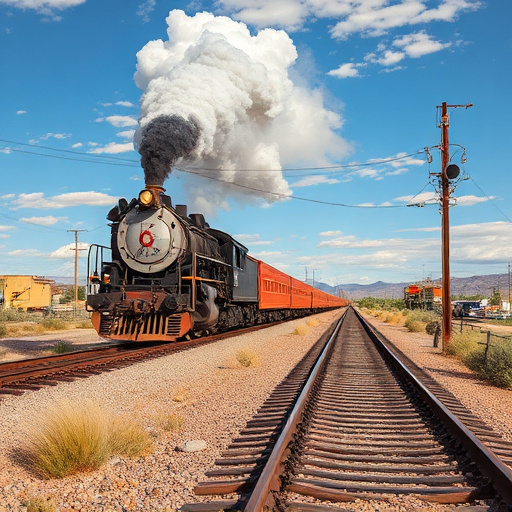
The railroad revolution in Arizona wine country, as experienced in Sonoita and Elgin, stands as a sign of human ingenuity and its impact on rural communities. The arrival of the railroad in the late 19th century fundamentally changed the way goods moved and lives were connected. For the small towns of Sonoita and Elgin, nestled in the heart of the Sonoran Desert, this development was a lifeline. The tracks not only facilitated the transport of wine, a growing industry in the region, but also brought new residents, tourists, and a sense of vibrancy to these otherwise remote areas.
The history of this connection is woven into the landscape itself. The rugged Santa Rita and Mustang mountains, with their towering peaks and scenic views, became more accessible to visitors. The once-isolated wineries and ranches in the area could now connect with the wider world, hosting winemaker dinners and showcasing their unique offerings. This accessibility also brought a new appreciation for the wildlife in wine country, as visitors encountered the region's diverse flora and fauna in their natural habitats. The Sonoita Creek, a vital water source, became a conduit not only for agriculture but also for cultural exchange, as people from nearby towns gathered along its banks.
The legacy of this railroad history is evident in the continued development of the area. The small-town charm of Sonoita and Elgin remains intact, but they now serve as vibrant destinations for visitors seeking authentic Arizona wine country experiences. A Tucson winery and brewery tour company, for instance, capitalizes on this history by offering immersive tours that highlight the region's ranching roots and its evolution into a thriving wine industry. The rail line, once a vital artery, now serves as a metaphorical trail that connects the past and present, inviting tourists and locals alike to explore the rich cultural heritage and natural beauty of these towns.
Wildlife in Wine Country: Coexistence and Conservation
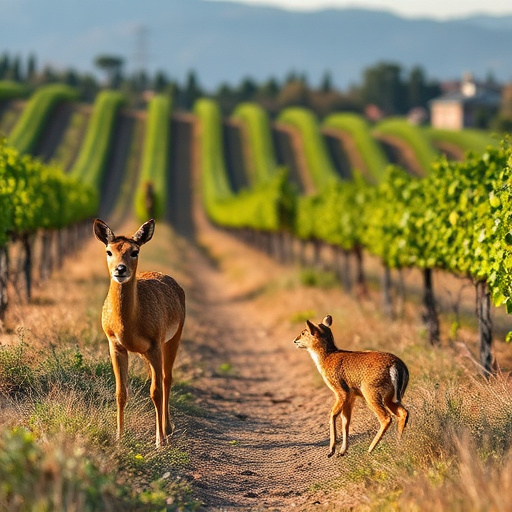
The unique ecosystem of wine country in southern Arizona, particularly around Elgin and Sonoita, is a sign of the harmonious coexistence of human endeavors and wildlife. As a small group Sonoita wine tour guide might point out, the area's history is intertwined with its natural environment. Ranching has long been a cornerstone of this region's identity, with vast grasslands like the Canelo Hills and Las Cienegas providing sustenance for livestock. This historical context has shaped the area's topography and biodiversity, creating a landscape that supports a rich array of wildlife.
The history of rail in Patagonia, for instance, reflects the area's early settlers' need to transport goods and people efficiently. While these historical routes have changed over time, they've left an indelible mark on the land, shaping the microclimates and scenery that contribute to the area's renowned wine industry. Today, these same landscapes support a diverse range of wildlife, from bird species like the majestic golden eagle to the elusive bobcat. The region's varied terrain, including the Santa Rita and Mustang mountains, offers shelter and food sources that cater to these creatures' specific needs.
Conservation efforts in this area are a sign of the local community's commitment to preserving both the history and natural beauty of wine country. Eco Buzz Tours, a local wine tour operator, often emphasizes the importance of sustainable practices in their tours. They highlight how responsible land management, including prescribed burns and habitat restoration, not only benefits wildlife but also ensures the long-term viability of the region's wineries. The annual Sonoita fairgrounds and rodeo events incorporate educational components about local conservation efforts, engaging both visitors and residents in the protection of the area's unique biodiversity.
As the weather changes with each season, so does the wildlife in wine country. Monsoon skies in summer bring life-giving rain, painting the fall colors vibrant and lush. This season also sees an increase in wildlife activity as creatures prepare for the colder months. Winter offers a quieter, snow-dusted landscape, while spring brings new life as animals emerge from their hibernation or build nests for the upcoming generation. A visit to the area during these different times offers a unique perspective on the area's natural history and the intricate relationship between humans and wildlife that has shaped it.
Tucson to Wine Tours: A Historical Evolution
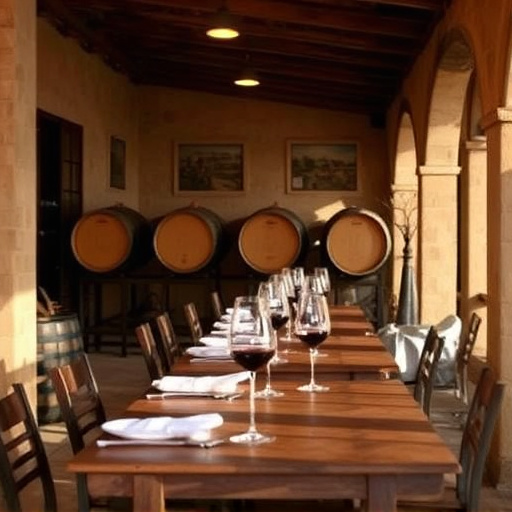
The journey from Tucson to wine country reveals a rich mix of history, particularly in the areas of ranching and rail development. This evolution is a sign of the region's past and present appeal, especially for those who appreciate the unique blend of natural beauty and human ingenuity. The Sonoita wine trail, winding through the heart of southern Arizona's wine country, offers visitors a chance to immerse themselves in both the vibrant agricultural scene and the rugged landscapes that have shaped the region.
Ranching has been a cornerstone of this area's history, with vast grasslands like the Canelo Hills and the Las Cienegas providing ideal grazing grounds. The local guide who drives guests to Sonoita and Elgin wineries often points out these scenic vistas, highlighting how the region's natural abundance has supported sustainable farming practices for generations. The Sonoita Creek, a lifeline for many ranches, also serves as a scenic landmark, its waters reflecting the changing seasons and the vibrant wildlife in wine country that thrives in these diverse habitats.
The railroad history of nearby Patagonia adds another layer to this narrative. The tracks that once crisscrossed the landscape, connecting isolated communities, now invite visitors to explore the region's unique microclimates and the diverse flora and fauna that flourish in them. The transition from ranching to winemaking in the 20th century, for instance, was facilitated by improved transportation, which brought not only grapes but also a new wave of visitors eager to experience the area's natural beauty and local cuisine. Today, the same scenic routes and historic landmarks draw wine enthusiasts and outdoor adventurers alike to the Sonoita wine trail, offering a chance to connect with the past while savoring the present.
Seasonal weather patterns further enhance the allure of wine country. Monsoon skies in summer bring vibrant fall colors, while winter offers crisp, cool air and stunning views of the Santa Rita and Mustang mountains. These varying landscapes not only impact the local ecosystem but also shape the experiences of visitors, whether they're enjoying a winemaker dinner or hiking the trails. The local guide can provide valuable insights into these seasonal changes, ensuring visitors have a memorable and tailored experience in this captivating corner of Arizona.
Frequently Asked Questions About a look at the ranching and rail history of the area
What is the significance of ranching in the area's history? Ranching played a pivotal role in shaping the region's identity and economy. Established in the 19th century, these operations were crucial for the development of the southwest. The vast open spaces and abundant resources attracted ranchers who contributed to the cultural and economic landscape, leaving a lasting legacy on the area's character.
When did rail first arrive in the town? The railroad's arrival in the late 1800s marked a turning point. The first train reached the town, a significant milestone, transforming transportation and trade. It facilitated the movement of goods and people, boosting the local economy and connecting the area to regional markets.
How did the railroad impact the ranching industry? The railroad had a profound effect on ranching. It allowed for efficient transportation of livestock to markets, revolutionizing the industry. Ranchers could now access larger, more diverse markets, increasing their profits. The railroad's infrastructure also provided opportunities for the development of related businesses, further diversifying the local economy.
Are there any historic ranches still in operation today? Yes, several historic ranches still thrive in the area, showcasing the enduring legacy of ranching. These ranches, some dating back to the 1800s, offer a glimpse into the past. Visitors can experience traditional ranching activities, learn about the industry's history, and appreciate the cultural significance of these working ranches.
What can tourists expect to learn about the rail history? Tourists can examine the rich rail heritage through various exhibits and immersive experiences. Local museums and historical sites display artifacts, photographs, and narratives, offering insights into the construction of the railroad and its impact on the community. Some tours even recreate the journey, allowing visitors to retrace the steps of early travelers.
Can visitors access the historic rail routes? Absolutely. Several sections of the original rail routes are now public trails, offering scenic walks or bike rides. These trails provide an opportunity to connect with the area's past while enjoying the natural surroundings, making them popular among outdoor enthusiasts and history buffs alike.
The rich history of Sonoita and its surrounding areas, from ranching roots to the railroad revolution, has shaped not only the landscape but also the unique character of the region. Understanding this past allows visitors to truly appreciate the area's vibrant culture and natural attractions, including the remarkable wildlife in wine country. The evolution from early settlement to a thriving tourism industry, as highlighted in this guide, underscores the area's enduring appeal.
For those seeking authentic experiences, exploring the ranching history through visits to historic sites and learning about the railroad's impact on local communities offers a glimpse into the past. Engaging with local wine enthusiasts and tour operators, who have preserved and promoted the region's culinary and wine traditions, provides an opportunity to immerse oneself in the present.
Next steps for anyone inspired by this guide could include planning a wine country weekend that combines visits to local wineries and breweries with outdoor activities like hiking in the surrounding grasslands and enjoying the unique cuisine. Supporting small town life in Sonoita and Elgin by staying at local accommodations and partaking in seasonal events, like the Sonoita fairgrounds and rodeo, ensures visitors contribute to the community's ongoing success.
This look at the ranching and rail history of the area not only enriches one's understanding of the region's development but also offers practical suggestions for engaging with its vibrant culture and natural wonders, including the remarkable coexistence of wildlife in wine country.
The ranching and rail history of wine country in southern Arizona, particularly around Sonoita and Elgin, dates back to the 19th century. Vast grasslands supported livestock grazing, and the region's microclimates and natural barriers attracted settlers. This history intertwines with the development of local wines, as the fertile soil nurtured both grapes and livestock. Today, visitors can witness these roots in the lush grasslands surrounding wineries, experiencing a unique blend of history and natural beauty. Wildlife in wine country thrives here, with diverse species thriving in the region's varied habitats. Railroads, now defunct, played a vital role in connecting isolated communities, bringing new residents and tourists and enhancing the area's vibrancy. The area's small-town charm and rich cultural heritage continue to draw visitors, with local tour companies offering immersive experiences that highlight both the past and present.