
The history of a place is a thread that weaves through its landscape, culture, and community. In the case of Elgin, Arizona, this thread is rich and multifaceted, reflecting a deep-rooted ranching heritage and a pivotal role in the region's railroad development. This guide examines the past to illuminate how these two forces shaped the unique character of what is now known as the Sonoita town guide. By exploring these historical facets, we offer a deeper understanding of the area, its people, and the timeless allure that draws visitors to experience this slice of southern Arizona. Here, we preview a journey through time, showcasing the enduring legacy that defines this vibrant wine country destination.
- Ranching Roots: Early Settlers in Elgin Arizona
- Railroads Transform Elgin: History and Routes
- Wine Country Evolution: Ranching to Vineyards
- Elgin Today: Preserving Ranching and Wine Culture
Ranching Roots: Early Settlers in Elgin Arizona
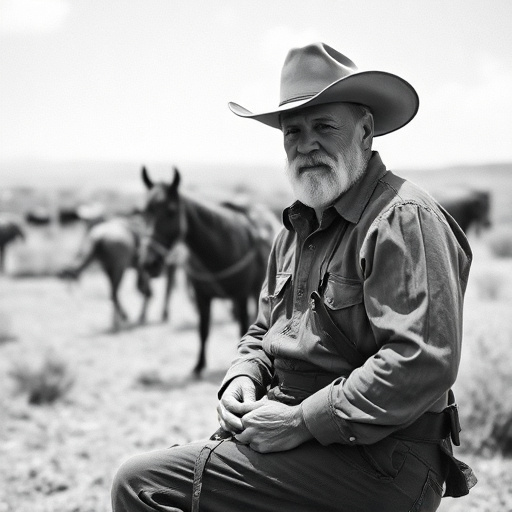
The rich ranching heritage of Elgin, Arizona, is a cornerstone of the region's history and character. As part of Santa Cruz County, this small town has seen its landscape shaped by generations of cowboys and ranchers. The vast, open grasslands that surround Elgin were once prime grazing land for cattle herds, reflecting the traditional cattle ranching practices that have been integral to the community since its inception.
Early settlers, drawn to the region's abundant water and fertile soil, established themselves in what would become Elgin in the late 19th century. They brought with them a deep-rooted culture of ranching, shaping the town's identity. The Santa Cruz River, a lifeline for the area, served as a vital water source for both cattle and settlers, fostering the growth of a thriving agricultural community.
This ranching legacy is still evident today. Local ranchers continue to tend to their herds, many employing sustainable practices that have been passed down through the generations. Visitors to Elgin can experience this authentic Western way of life by exploring nearby ranches, attending local rodeos, or even participating in an electric van wine tour service in southern Arizona that combines a taste of the region's renowned wines with a glimpse into the area's rich history. The town's annual events, like the popular Sonoita Fair, also celebrate this heritage, showcasing the skills and traditions of the local ranching community.
Railroads Transform Elgin: History and Routes
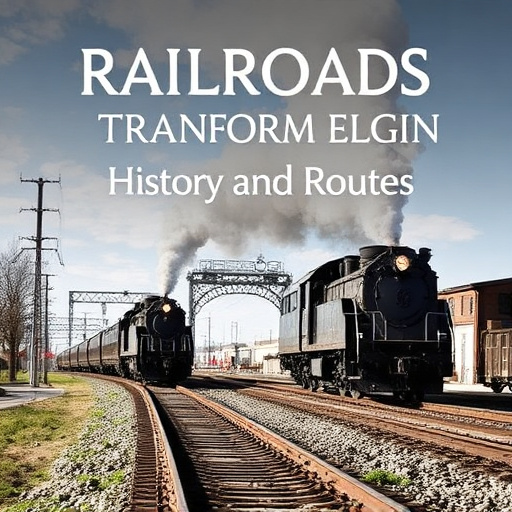
The history of railroads in the Elgin, Arizona area is a fascinating tale that reveals the small town's transformation over time. As a gateway to the expansive grasslands of Patagonia and the rugged landscapes of the Sonoran Desert, Elgin's location has always been a key factor in its development. The arrival of the railroad in the late 19th century marked a significant turning point, linking the region to broader economic opportunities and cultural exchanges.
The first railroad to reach Elgin was the Arizona and Southern Railroad, part of a network aimed at facilitating the transportation of goods and passengers across the state. This rail line, which ran through the heart of town, played a crucial role in opening up the region to settlement and commerce. Farmers could now transport their produce more easily, while visitors could access the area's unique natural attractions. The railroad also brought in new residents, including workers and entrepreneurs who contributed to the growth of local businesses and services. The influx of people led to the establishment of several hotels, restaurants, and shops, many of which still thrive today, reflecting the enduring impact of the railroad.
Over time, the railroad's influence on Elgin's history became even more profound. The line's connection to major cities like Tucson allowed for the development of a thriving tourism industry, especially with the advent of wine tours. A private wine tour company based in Tucson, for example, offers electric van tours to nearby wineries, showcasing the region's renowned grape-growing areas and small-town charm. The railroad's routes, once bustling with freight cars and passenger trains, now serve as scenic byways, inviting visitors to explore the area's rich cultural heritage and natural beauty. Today, Elgin's history as a railroad hub is celebrated through historical markers and events, providing a unique glimpse into the past for both locals and tourists alike.
Wine Country Evolution: Ranching to Vineyards
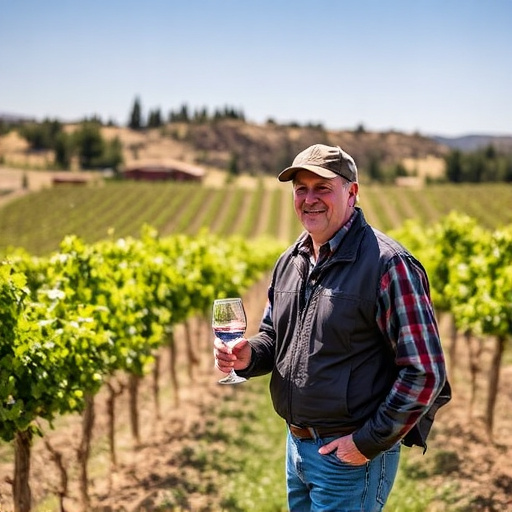
The evolution of wine country in the Elgin, Arizona area, a small town nestled in the heart of the Sonoran Desert, is a sign of the adaptability of both land and people. Historically, the vast grasslands of Sonoita and the surrounding regions supported a robust ranching industry, with families raising livestock and utilizing the land's natural resources. However, as the 20th century progressed, a shift occurred. Visionary locals began to recognize the potential of the area's unique terroir for winemaking. This transition from ranch to vineyard marked a significant turning point for the small town.
A small group Sonoita wine tour guide often points out the parallel paths of ranching and viticulture here. While the ranching culture remains an integral part of the community's identity, the rise of local wineries has brought a new dynamic to the region. The transformation was not immediate; it took time for the climate, soil, and culture to embrace the new industry. Yet, today, the area boasts a thriving wine scene, attracting visitors from Tucson on a road trip or those seeking a unique day trip to Elgin, Arizona. This blend of history and innovation creates a distinctive wine country experience, showcasing the region's natural beauty and the resilience of its people.
The transition from ranching to vineyards has not only changed the landscape but also contributed to the local economy. Many former ranches have given way to picturesque vineyards, and the once-lush grasslands now produce not only grass for cattle but also a diverse range of wine grapes. This shift has led to a diverse culinary scene, with local restaurants showcasing not only the region's wine but also its unique, locally-sourced cuisine. For visitors, it presents an opportunity to immerse themselves in the small-town life of Sonoita while enjoying the area's natural attractions, from the majestic Santa Rita and Mustang mountains to the serene Patagonia Lake.
Elgin Today: Preserving Ranching and Wine Culture
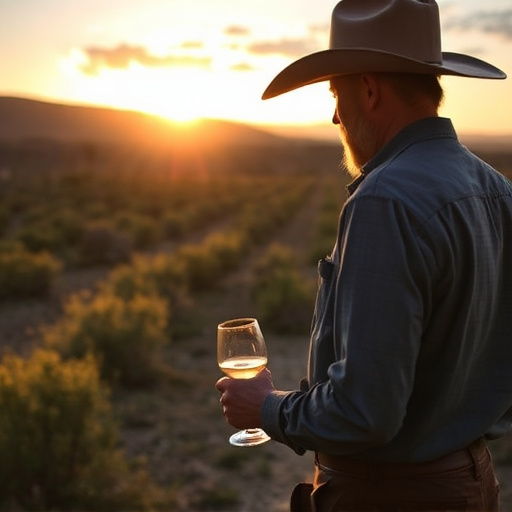
Elgin, nestled in Santa Cruz County, Arizona, is a sign of the enduring legacy of ranching and the vibrant wine culture that has flourished in this part of the Sonoran Desert. As a gateway to the scenic landscapes of Patagonia and the rolling grasslands of Sonoita, Elgin offers a unique blend of history, natural beauty, and culinary delights. A local guide who drives guests to Sonoita and Elgin wineries can provide insights into this rich heritage, sharing stories of the area's ranching families who have called this place home for generations.
The town's history is deeply intertwined with the cattle industry, with ranching dating back to the 1800s. The rugged terrain and abundant water sources made Elgin an ideal location for cattle grazing. Over time, these ranches evolved, and the area became known for its high-quality livestock and the skilled ranchers who tended them. Today, visitors can still witness the remnants of this legacy in the local open spaces and the annual events that celebrate the region's ranching heritage, like the Sonoita Fair and Rodeo. The local guide can point out these landmarks and share anecdotes about the area's pioneering families.
While ranching remains a vital part of Elgin's identity, it's the wine industry that has recently brought global attention to this small town. The microclimates of the surrounding mountains and valleys create ideal conditions for winemaking, with distinct grape varieties thriving in this unique environment. A trip to Elgin is not complete without a visit to the local wineries, many of which are family-owned and operate in historic buildings. The local guide can lead guests on a tour, showcasing the diverse wine styles and the breathtaking scenery that inspires them. This blend of history and natural splendor makes Elgin a must-visit destination for wine enthusiasts, offering a true Arizona experience.
Frequently Asked Questions About a look at the ranching and rail history of the area
What is the significance of ranching in the area's history?
Ranching played a pivotal role in shaping the economic and cultural landscape of this region. For centuries, cattle grazing and sheep herding were primary sources of income, fostering a strong ranching tradition. The vast, open spaces and arid climate were ideal for raising livestock, attracting settlers who established large ranchos. These ranches not only contributed to the local economy but also influenced the region's architecture, with many historic ranches still standing today, showcasing their enduring legacy.
How did the arrival of the railroad impact the area?
The construction of the railroad in the late 19th century marked a significant turning point. It brought economic growth and modernization, connecting the region to larger markets. The railroad facilitated the transport of goods, livestock, and people, stimulating local trade and industry. Sonoita and Elgin, once isolated communities, experienced increased prosperity and population growth due to this transportation revolution.
Are there any notable historic rail lines in the area?
Indeed, the area boasts several historic rail lines. The Santa Fe Railway, for instance, played a crucial role in the region's development. Its tracks crisscrossed the landscape, connecting local ranches to national markets. The line's iconic steam locomotives once chugged through the countryside, leaving a lasting impression on the local community.
What kind of historical sites can visitors explore related to this era?
Visitors can examine the region's ranching and rail history by exploring several historical sites. The Sonoita Historical Society Museum offers a glimpse into the past with exhibits showcasing ranching and railroad artifacts. The Elgin Station, a restored train depot, provides another window into the era, allowing visitors to imagine the bustling days of train arrivals and departures.
Do local wineries have any connections to the ranching and rail past?
Many local wineries have roots in the ranching tradition. Some families have owned both ranches and vineyards, passing down land and knowledge for generations. The region's wine industry, therefore, has a deep connection to its agricultural heritage. Today, wine tours often include stops at historic ranches and vineyards, offering visitors a unique blend of culinary and historical experiences.
Can tourists learn more about this history through guided tours?
Absolutely. Local tour operators offer guided tours that highlight the area's ranching and rail heritage. These tours often include visits to historic sites, museums, and wineries, providing a well-rounded historical experience. Tour guides, many of whom are local historians, share fascinating stories and insights, ensuring visitors gain a deeper understanding of the region's past.
The rich history of the Elgin, Arizona area, as detailed in the Sonoita town guide, offers a fascinating journey through ranching roots and rail transformation. From the early settlers in the region to the evolution of wine country, this guide highlights the area's unique blend of heritage and modern attractions. Understanding the ranching roots that lie beneath the thriving wine industry is key to appreciating the local culture, while the railroad's role in shaping Elgin provides a historical context that sets it apart.
The practical takeaways for visitors are clear: an Elgin Arizona guide is essential for anyone looking to immerse themselves in the area's authentic charm. Whether exploring the scenic Sonoran Desert, enjoying local cuisine, or participating in seasonal events, this guide offers a roadmap to discovering the area's best-kept secrets. By preserving the ranching culture and embracing the wine country evolution, Elgin today stands as a sign of the enduring spirit of Arizona's frontier heritage, inviting visitors to share in its rich history and natural beauty.
Elgin, Arizona, is a small town rich in history, shaped by its ranching heritage and the advent of wine culture. Founded in the late 19th century, it was once a hub for cattle grazing due to its vast grasslands and abundant water. Today, visitors can explore this legacy through local ranches, rodeos, and electric van wine tours, experiencing the region's renowned wines and scenic beauty. The town's annual events, like the Sonoita Fair, celebrate this heritage.
Elgin's railroad history, dating back to the late 19th century, further enriched its character, fostering economic growth and cultural exchange. The Arizona and Southern Railroad connected the town to broader networks, facilitating commerce and tourism. Today, former railroad routes serve as scenic byways, inviting exploration of the area's cultural and natural history.
The transition from ranching to viticulture in the 20th century transformed Elgin's landscape and economy. The region's unique terroir has led to a thriving wine industry, blending history and innovation. Visitors can enjoy wine tastings, culinary delights, and the area's natural attractions, from mountains to lakes, making Elgin a must-visit destination for a unique Arizona experience.