
The ranching and rail history of Sonoita Creek and the surrounding Sonoran Desert landscapes are integral to understanding this corner of southern Arizona. This region, rich in cultural heritage, has seen the evolution of both traditional ranching practices and the development of a robust rail network, shaping the area's unique character. However, the story of Sonoita Creek is often overlooked, making it a hidden gem for visitors and residents alike. This article examines the rich past, from the early settlers who established ranches along the creek, to the arrival of the railroad that connected the region to the wider world. By exploring these interwoven histories, we gain a deeper appreciation for the area's natural beauty and the resilience of its communities, offering a valuable perspective for anyone interested in the region's cultural and geographical mix.
- Ranching Roots: A Historical Perspective
- Railroad Arrival: Transforming Sonoita Creek
- The Cattle Drive: Trails to Towns
- Preserving Heritage: Sonoita Creek Today
Ranching Roots: A Historical Perspective
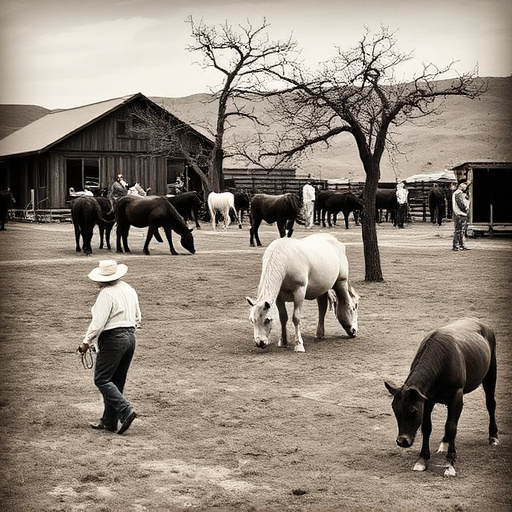
The ranching roots of Sonoita, deeply intertwined with its history, are a sign of the resilience and resourcefulness of early settlers in what's now Santa Cruz County. This small town, nestled in the vast grasslands of southern Arizona, was once a thriving center of cattle ranching and farming. The area's mild climate and abundant water from Sonoita Creek attracted pioneers who established themselves in this part of the Sonoran Desert.
Ranching in this region dates back to the 1800s when Mexican and American settlers brought their herds into the area. The creek, a vital lifeline, provided not only water for livestock but also a means to irrigate crops. Over time, the local economy shifted from ranching to winemaking, but the creek's importance remained. Today, visitors can explore the historical context of these early days by wandering along Sonoita Creek, where remnants of old irrigation channels and wooden flumes still dot the landscape.
A local Tucson wine tour operator often highlights the area's unique blend of history and natural beauty. The town's small-town charm and the vast, untouched grasslands make it a popular destination for those seeking a break from the bustling city. The annual Sonoita Fair and Rodeo showcases the region's ranching heritage, with events that draw visitors from across the state. Beyond the fair, the local community embraces its roots through art and cultural events, preserving the stories of the past for future generations.
Railroad Arrival: Transforming Sonoita Creek
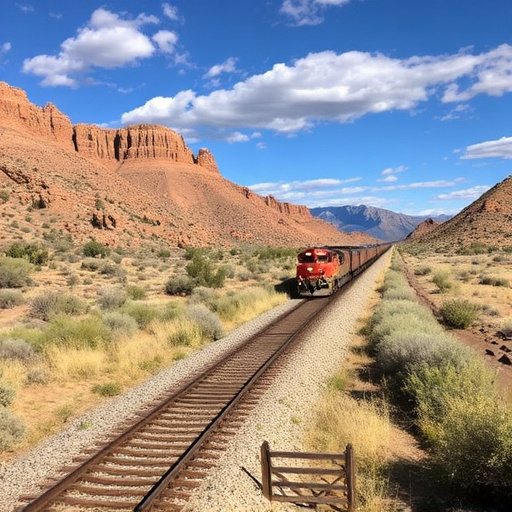
The arrival of railroads in the 1880s marked a pivotal moment for the small town of Sonoita, transforming its economy and scenery. The line, snaking its way through the heart of the Sonoran Desert, connected the area to larger markets, opening up new opportunities for the local ranching industry. Before this, Sonoita Creek, with its rich agricultural potential, was a vital yet isolated resource. The railroad brought with it a surge of activity, as goods and people flowed freely for the first time.
This new connectivity had a profound effect on the local landscape. The scenic route, winding through the rugged terrain, became a vital transportation artery, making the journey between Patagonia and the surrounding wineries easier. Farmers and ranchers could now transport their goods to Tucson and beyond, facilitating the growth of the region's renowned wine industry. The rail also brought tourists, who were captivated by the area's natural beauty, from the bustling city to the tranquil grasslands of Sonoita Creek.
A local guide, who drives guests to both Sonoita and Elgin wineries, often shares stories of the railroad's impact. They point out how the rail history is woven into the very fabric of the small town, from the historic buildings that line the creek to the winding roads that follow the old tracks. Today, visitors can still witness the remnants of this era, making the trip to Sonoita Creek a journey through both time and terrain. The area's unique blend of history and natural scenery, a legacy of the railroad's arrival, continues to attract wine enthusiasts and outdoor lovers alike.
The Cattle Drive: Trails to Towns
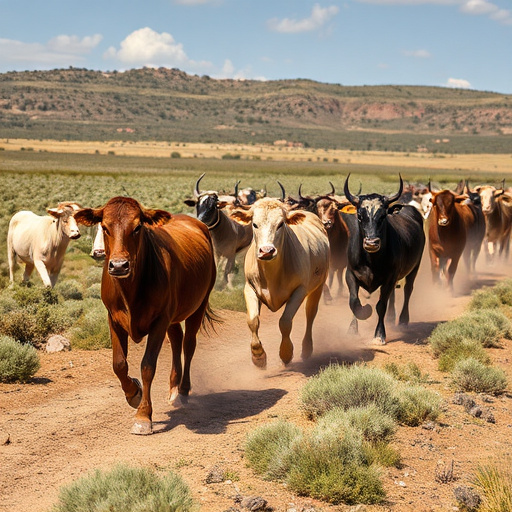
The cattle drive is an integral part of Sonoita's rich history, with trails from the vast grasslands of Sonoita Creek leading to thriving towns in the region. This tradition of moving livestock by foot was crucial for the small town's economic growth, especially in the early 20th century. The route along Sonoita Creek, often muddy and challenging, connected ranches to market towns, fostering a sense of community and interdependence among the local ranchers.
Eco Buzz Tours, a local guide service, often takes visitors on treks along portions of this historic trail, offering a unique perspective on the area's past. The journey reveals the rugged beauty of the Sonoran Desert, with its towering mountains and vast open spaces. Imagine the early settlers and herders navigating these paths, transporting cattle from one town to another, a sign of the resilience of both man and beast. This cattle drive tradition, though largely mechanized today, still echoes in the region's names-from the creek itself to the towns that sprang up along these routes, each with its own tale of hard work and community.
As you travel through the area, you'll pass by remnants of old corrals and waterholes, reminders of the cattle drives that once dominated the landscape. These trails, though no longer used for their original purpose, have evolved into scenic byways enjoyed by hikers, cyclists, and nature enthusiasts. Sections of the old trail near Patagonia offer breathtaking views of the Santa Rita and Mustang mountains, making for a memorable day trip from Tucson. The small town atmosphere of Sonoita and the surrounding communities is a stark contrast to the bustling city, providing a glimpse into a simpler time when the cattle drive was a way of life.
Preserving Heritage: Sonoita Creek Today
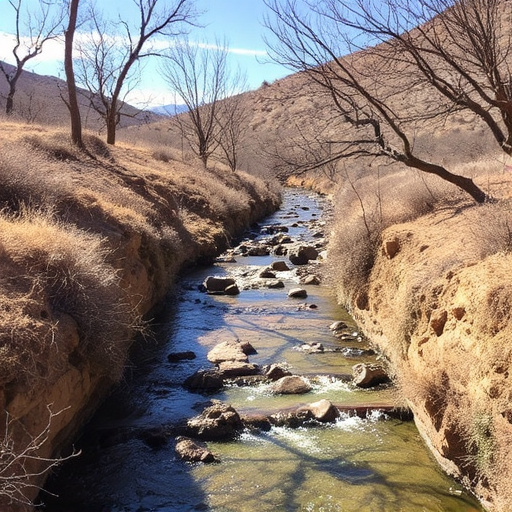
The history of Sonoita Creek, winding through the heart of what's now known as wine country, is a sign of the resilience of both nature and the small towns that have flourished along its banks. Today, this creek, once vital for ranching and agriculture, continues to play a central role in the area's cultural and economic landscape. It serves as a living reminder of the region's rich heritage, inspiring both local pride and curiosity in visitors.
Preserving this natural and historical legacy is a key focus for the community. Eco Buzz Tours, a small group Sonoita wine tour guide, emphasizes the importance of sustainable practices around Sonoita Creek. Their tours often highlight the creek's role in the area's evolution, from its days as a vital water source for ranching families to its current position as a scenic asset for wine country. By sharing this story, the tour guide educates visitors about the interconnectedness of nature and culture, fostering a deeper appreciation for the small town's unique character.
The creek's significance extends beyond its historical value. It remains a vital ecosystem, supporting a diverse range of wildlife, from birds to fish. For nature lovers, birdwatching along Sonoita Creek offers a chance to witness this biodiversity up close. The changing seasons bring new sights and sounds, with monsoon skies painting the sky in dramatic hues and fall colors transforming the landscape. This natural spectacle, combined with the area's rich ranching and rail history, makes Sonoita Creek a must-visit destination for those seeking an authentic experience in a small town setting.
Looking ahead, the community around Sonoita Creek continues to prioritize its preservation. Local initiatives focus on maintaining the creek's ecological health while ensuring it remains accessible to the public. These efforts reflect a deep commitment to preserving not just the physical creek, but the entire history and culture that has been shaped by it. For visitors, this means ongoing opportunities to immerse themselves in the unique character of wine country, steeped in small town life and a rich, evolving history.
Frequently Asked Questions About a look at the ranching and rail history of the area
What is the significance of the railroad in Sonoita's history?
The railroad played a pivotal role in the development of Sonoita, connecting it to regional markets and fostering economic growth. Built in the late 19th century, the line facilitated the transport of agricultural goods, particularly wool and grain, to Tucson and beyond. This sparked a boom in local ranching, as the area's vast grasslands became accessible for cattle grazing. The railroad also attracted settlers, leading to the establishment of several ranches and farms in the region.
When did ranching begin in the area, and what challenges did early ranchers face?
Ranching in Sonoita dates back to the mid-1800s. Early ranchers encountered numerous challenges, including harsh climate conditions, frequent droughts, and the presence of wild mustangs. They adapted by developing unique ranching techniques, such as building sturdy adobe structures for shelter and employing local Native American labor. The availability of water sources was crucial, and ranchers often had to drill wells to sustain their herds.
How did the railroad impact the local wine industry?
The railroad's arrival had a profound effect on the wine industry's growth. It enabled the efficient transport of wine and grapes to urban markets, opening new sales channels for local winemakers. This, in turn, led to the expansion of vineyards and the development of a thriving wine tourism scene. Today, visitors can explore historic wineries and experience the region's renowned wines, all thanks to the railroad's original connection.
Are there any historic ranches still active in the area?
Several historic ranches in Sonoita still operate today, carrying on the legacy of their early predecessors. These ranches offer a glimpse into the region's rich ranching heritage. Visitors can enjoy guided tours, learn about traditional ranching practices, and even participate in activities like horse riding and cattle rounding, providing a unique cultural experience.
What makes the rail history of this region unique?
The region's rail history is unique due to the preservation of its vintage rail infrastructure and the ongoing efforts to restore it. The Sonoita-Elgin Railroad, for instance, is a historic line that offers scenic rides, allowing visitors to immerse themselves in the past. This commitment to preserving the area's rail heritage sets it apart from many other regions, making it a popular destination for rail enthusiasts.
Can visitors explore the area's ranching history independently?
Absolutely. Eco Buzz Tours, a local wine tour operator, offers specialized tours that examine the ranching and rail heritage. These tours provide an insightful look at the region's history, combining visits to historic ranches with scenic drives along the historic rail line. The guide will share fascinating stories and insights, ensuring visitors gain a deeper appreciation for Sonoita's past.
The history of Sonoita Creek and its surrounding areas is a mix woven with threads of ranching and railroad development, each contributing to the unique character of this Arizona locale. From the deep-rooted ranching traditions that shaped the landscape, to the arrival of the railroad that transformed local agriculture, every era has left its mark. The cattle drives along the trails leading to thriving towns like Sonoita reflect a bygone era, while the preservation of heritage sites along Sonoita Creek ensures that these stories remain accessible to future generations.
Understanding the past is key to appreciating the present and planning for the future. By embracing the rich history of Sonoita Creek, visitors and residents alike can gain a deeper connection to the land and its people. Whether exploring the scenic trails, visiting historic ranches, or partaking in local wine and culinary experiences, each experience is enriched by the knowledge of this region's past.
Moving forward, the continued stewardship of Sonoita Creek and its surroundings is essential. Protecting the natural and cultural resources ensures that the area retains its distinct charm while attracting new generations of visitors seeking authentic experiences. The legacy of ranching and rail history can serve as a model for sustainable development, inspiring innovative ways to balance preservation with growth.
The ranching and rail history of Sonoita Creek, southern Arizona, is a sign of the resilience of early settlers. Once a thriving center of cattle ranching and farming, the area's mild climate and abundant water attracted pioneers. Railroads in the 1880s transformed the economy, connecting the town to larger markets and opening up new opportunities. Today, visitors can explore this history through remnants of old irrigation channels, the annual Sonoita Fair and Rodeo, and art events preserving the past. The creek remains a vital ecosystem, supporting diverse wildlife and offering scenic treks along its banks. Local initiatives prioritize its preservation, ensuring visitors can immerse themselves in the unique character of wine country steeped in small-town life.