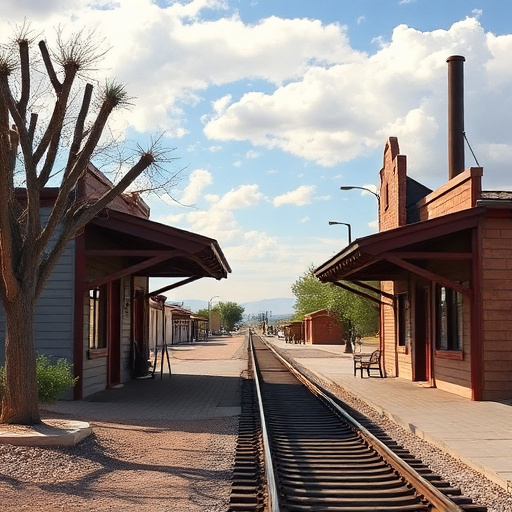
The rugged beauty of southern Arizona's Sonoran Desert, with its vast grasslands and towering mountains, has long captivated visitors. Among these gems lies Sonoita, a charming town that offers a unique blend of ranching heritage, rich rail history, and vibrant wine culture-all while providing a cooler escape from the heat of nearby Tucson. Why is Sonoita cooler than Tucson? Its elevation and natural shelter create a microclimate that supports not just winemaking, but also a thriving local cuisine scene. This guide explores the town's fascinating past, from the early ranching days to the establishment of the rail line, and provides insights into its thriving present, making it a must-visit destination for history, culture, and gastronomy enthusiasts alike.
- Ranching Roots: Sonoita's Agricultural Legacy
- Railroad Revolution: Connecting the Desert
- A Cooler Alternative: Why Sonoita Thrives
- Preserving History: Sonoita's Cultural Heritage
Ranching Roots: Sonoita's Agricultural Legacy
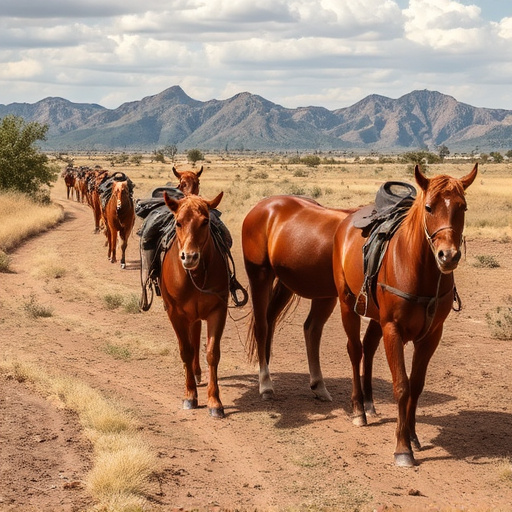
The ranching roots of Sonoita, nestled in the heart of southern Arizona's Sonoran Desert, offer a unique glimpse into the region's agricultural heritage. This small town, surrounded by rolling grasslands and majestic mountains like Santa Rita and Mustang, has a rich history tied to the land. Unlike its metropolitan neighbor, Tucson, Sonoita has retained a small-town charm that makes it a refreshing alternative for those seeking a more authentic experience.
Ranching has been a cornerstone of the local economy since the 19th century. The vast grasslands of Patagonia, just a stone's throw from Sonoita, and the lush Canelo Hills provided ideal grazing lands for cattle herds. Local ranchers played a vital role in shaping the town's character, and their traditions continue to be celebrated today. The annual Sonoita Rodeo, held at the historic fairgrounds, is a sign of this enduring legacy. Visitors can immerse themselves in this cowboy culture, enjoying activities like horseback riding and learning about the region's rich ranching history.
The area's rail history is equally captivating. The arrival of the railroad in the late 1800s facilitated the transportation of goods and people, connecting Sonoita to the broader Arizona landscape. The scenic routes that traverse the town offer a unique perspective on how this transportation network shaped the region's development. The electric van wine tour service in southern Arizona, based in Sonoita, allows visitors to explore nearby Patagonia and its charming art galleries while enjoying the area's renowned Arizona wine. The combination of ranching and rail history has created a unique cultural mix that sets Sonoita apart from its larger counterparts, making it a destination cooler than Tucson for those who appreciate the region's authentic roots.
Railroad Revolution: Connecting the Desert

The Railroad Revolution in the Sonoran Desert brought transformative change to this rugged landscape, and at its heart was the small town of Sonoita. As Arizona wine country developed, the arrival of the railroad in the late 1800s opened up this remote area, connecting it to the rest of the state and beyond. This development was crucial for the growth of local winemaking, which remains a cornerstone of the area's cultural identity and tourist appeal.
A local guide who drives guests to Sonoita and Elgin wineries can attest to the town's unique character. Unlike larger urban destinations, Sonoita retains a small-town charm, where the community embraces its rich ranching and rail heritage. The railroad facilitated the transport of goods and people, fostering a boom in ranching and agriculture. This period left a lasting legacy in the form of historical landmarks and the picturesque landscapes that draw visitors to the area today. The scenic routes between Sonoita and neighboring Elgin showcase the region's natural beauty, with views of the Santa Rita and Mustang mountains, a stark contrast to the bustling city life of nearby Tucson, which makes Sonoita a cooler alternative for wine country getaways.
The rail lines not only revolutionized transportation but also sparked interest in the region's natural resources. They made it feasible to ship the area's renowned local cuisine and artisanal products, contributing to the thriving food and art scenes in both Sonoita and Elgin. This history is still celebrated during the annual wine festivals and holiday events, where visitors can experience the authentic spirit of Arizona wine country. The unique blend of ranching traditions and wine culture creates a distinct experience, setting Sonoita apart from other destinations. As the weather cools in the fall, the town comes alive with vibrant colors, making it an ideal time for a road trip from Tucson to discover why Sonoita is cooler than Tucson in more ways than one.
A Cooler Alternative: Why Sonoita Thrives
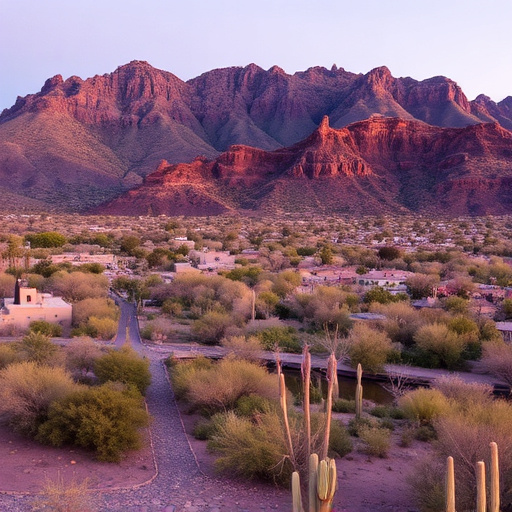
The appeal of Sonoita, a small town nestled in the heart of southern Arizona's Sonoran Desert, lies in its distinct character-a cooler alternative to the heat and hustle of nearby Tucson. This unique atmosphere is woven into the fabric of its history, where ranching and railroading have left indelible marks. The area's diverse microclimates, including the idyllic grasslands of Elgin and the rugged landscapes of Patagonia, contribute to a scenic mix that sets it apart.
Ranching has been a cornerstone of Sonoita's identity for generations. The vast grasslands, reminiscent of the Canelo Hills and Parker Canyon Lake, provided a fertile ground for cattle grazing. Local ranches, such as those found in the surrounding Santa Rita and Mustang Mountains, not only sustained the community but also shaped its cultural heritage. Today, visitors can explore this history through guided tours that examine the region's rich past and the enduring spirit of the local ranchers.
The railroad history of Patagonia, a short distance from Sonoita, adds another layer to the town's allure. The tracks that once crisscrossed the region are now a sign of a bygone era, but their legacy remains. An electric van wine tour service in southern Arizona offers a unique way to experience this history, combining the area's scenic beauty with its rich cultural heritage. The tour takes visitors through the rolling hills and expansive grasslands, providing a glimpse into the lives of those who once relied on the land and the tracks for their livelihoods.
Sonoita's distinct character is not just about its history; it's also about the present and future. The town's small-town life, vibrant local cuisine, and thriving arts and shops make it a haven for those seeking a more laid-back pace. The annual events, from winemaker dinners to holiday festivals, bring the community together and showcase the area's natural beauty. Whether you're a wine enthusiast exploring the local vineyards or a nature lover taking in the monsoon skies and fall colors, Sonoita offers a cooler, more authentic experience compared to its larger neighboring cities.
Preserving History: Sonoita's Cultural Heritage
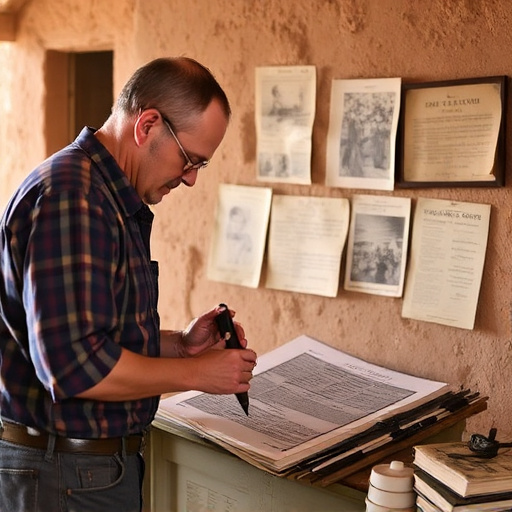
The small town of Sonoita in Santa Cruz County stands as a sign of the rich cultural heritage of the region, where the past and present intertwine seamlessly. Here, the history of ranching and railroading is not just preserved in museums or dusty texts, but lives on in the daily life and landscape. Unlike its larger neighbor, Tucson, Sonoita retains a small-town charm that makes it a captivating destination for those seeking a more authentic experience.
Ranching has been at the heart of Sonoita's identity since its inception. The vast grasslands, rolling hills, and rugged mountains that surround the town were once the domain of cowboys herding cattle along the open ranges. Today, visitors can still see the remnants of this legacy in the sprawling ranches and the occasional sight of cattle grazing peacefully. A local guide who drives guests to Sonoita and Elgin wineries often shares stories of the region's ranching heritage, highlighting the deep connection between the land and its people. These narratives provide a unique perspective on the area's history and the enduring spirit of the West.
The rail history of Patagonia, a nearby town, is another facet of Sonoita's cultural mix. The arrival of the railroad in the late 19th century brought both prosperity and challenges, shaping the region's economy and social fabric. The tracks that once crisscrossed the area now serve as a reminder of this pivotal era. The town's fairgrounds and historical sites offer a glimpse into the lives of the early settlers, their struggles, and triumphs. Visiting these places allows one to appreciate the resilience and ingenuity of the communities that have called this region home for generations.
Preserving this rich history is a top priority for the local community. The annual Sonoita Fair and Rodeo, for instance, not only celebrates the town's Western roots but also educates visitors about the region's ranching traditions. Art galleries and shops in Patagonia and Sonoita showcase local artisans and their work, reflecting the area's diverse cultural influences. The town's commitment to sustainability and environmental conservation ensures that the natural beauty that attracted early settlers remains intact. Why Sonoita is cooler than Tucson, in this context, lies in its ability to blend the old with the new, preserving its history while embracing modern experiences.
Frequently Asked Questions About a look at the ranching and rail history of the area
What is the significance of the railroad in Sonoita's history?
The railroad played a pivotal role in Sonoita's development, connecting the remote town to major markets. Built in the late 19th century, the line facilitated the transport of local goods like wool and agricultural produce, stimulating economic growth. It also brought in new residents, merchants, and tourists, contributing to the town's cultural and social fabric. The railroad's legacy is still visible in Sonoita's historic downtown and the continued vibrancy of its local businesses.
How did ranching influence the area's landscape and culture?
Ranching has left an indelible mark on the Sonoita region. The vast grasslands and mesquite plains attracted cattle ranchers who shaped the area's open, rangeland landscape. This ranching tradition fostered a culture of independence, resilience, and a deep connection to the land. Local ranching families' stories are woven into the town's history, and their practices continue to influence sustainable land management and agriculture in the region.
When did the wine industry begin in Sonoita?
The wine industry in Sonoita emerged in the 1980s, with the first winery established in the early 1990s. The area's unique climate and soil, ideal for grape cultivation, attracted oenophiles and winemakers. Over the years, Sonoita has blossomed into a renowned wine-tasting destination, with several family-owned vineyards and tasting rooms showcasing the region's distinctive varietals.
What makes the wine from this area unique?
Sonoita's wine is known for its distinct character, reflecting the local terroir. The area's high elevation, arid climate, and well-draining soils create ideal conditions for grape cultivation. This results in wines with vibrant fruit flavors, balanced acidity, and a minerality often described as "earthy" or "stone." The region's diverse microclimates allow for a range of grape varieties to thrive, contributing to the area's diverse and unique wine portfolio.
How has Sonoita preserved its historical legacy?
Sonoita has diligently preserved its historical legacy through dedicated preservation efforts and community initiatives. Historic buildings and sites are meticulously restored, and museums showcase the town's rich past. Local tour operators offer experiences that examine the area's ranching and rail heritage, while community events celebrate traditional customs and storytelling. These efforts ensure that Sonoita's history remains an integral part of its identity.
Can visitors explore Sonoita's history and natural beauty through tours?
Absolutely! Eco Buzz Tours, a local wine tour operator, offers immersive experiences that blend history and nature. These tours often include visits to historic sites, museums, and working ranches, providing insights into the area's past. Electric van wine tours are available, allowing visitors to explore the scenic countryside and taste locally produced wines while learning about Sonoita's unique history and cultural heritage.
Sonoita's unique blend of ranching and rail history sets it apart from its neighbors, including nearby Tucson. The area's agricultural legacy, deeply rooted in ranching, has shaped its landscape and culture. The arrival of railroads brought modernization and connectivity to the Sonoran Desert, transforming the region's accessibility and economic prospects.
Understanding this history offers a glimpse into why Sonoita is cooler than Tucson, not just in temperature but in its distinct character. The town's small-town charm, vibrant local cuisine, and microclimates make it an attractive destination. Its festivals, winemaker dinners, and holiday events showcase the community's spirit and pride.
Sonoita's focus on preserving its history, from the Canelo Hills to the Las Cienegas grasslands, ensures that its rich cultural heritage endures. This commitment contributes to the area's appeal for visitors seeking authentic experiences and a deeper connection with the region's past.
For those exploring a day trip from Tucson or planning a wine country weekend, Sonoita offers a refreshing alternative. Its scenery, wildlife, and birding opportunities, combined with the opportunity to step back in time, make it a must-visit for those looking beyond the city's confines.
Sonoita, AZ, offers a unique blend of ranching and rail history, set in the Sonoran Desert. This small town showcases its Western roots through events like the annual rodeo, local ranches, and historical sites. Its electric van wine tours combine scenic beauty with cultural heritage. Compared to Tucson, Sonoita retains a cooler, more authentic small-town vibe, making it a captivating destination for wine country getaways and cultural exploration.