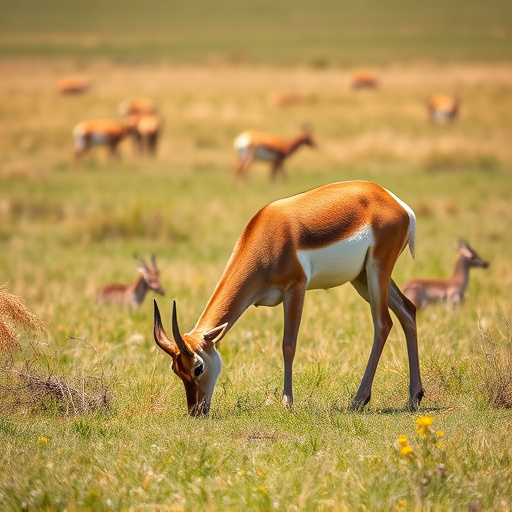
The history of ranching and rail in Sonoita town guide is a mix woven into the very fabric of this vibrant Arizona community. Understanding these past threads illuminates the present, from its idyllic landscapes teeming with wildlife and birding near Sonoita opportunities, to its thriving wine and dining scene. However, untangling this history can feel like navigating a maze, with key elements often obscured or misunderstood. This article guides you through that maze, offering insights into the ranching traditions that shaped the region, the railroad that connected it, and the cultural richness that persists today. By the end, you'll grasp how Sonoita's unique blend of past and present contributes to its distinctive character.
- Ranching Roots: Early Settlers and Their Legacy
- Railroads Transform Sonoita: A Historical Perspective
- Birding Near Sonoita: Nature's Richness and Rail's Role
- From Pastures to Vineyards: Farming's Evolution in the Region
Ranching Roots: Early Settlers and Their Legacy
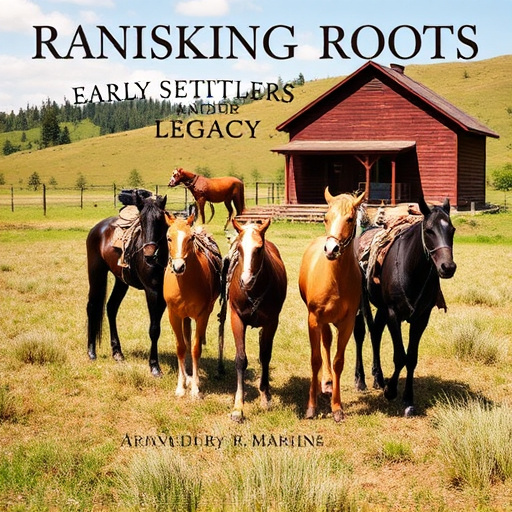
The roots of ranching in Sonoita run deep, intertwined with the history and character of this small town nestled in the heart of the Sonoran Desert. Early settlers, drawn to the region's abundant grasslands-like the vast Canelo Hills and Parker Canyon Lake-began establishing themselves here in the mid-19th century. These pioneers, many of them experienced ranchers from the East, recognized the area's potential for livestock grazing, and their legacy lives on through the thriving cattle ranches that dot the landscape today.
Ranching has been more than just a way of life in Sonoita; it's woven into the cultural fabric of the community. The open scenery, with its rugged mountains like Santa Rita and Mustang, provided the perfect setting for ranching activities. Over time, the industry evolved, adapting to the challenges and opportunities presented by the changing climate and market demands. Local guides, like those offered by Eco Buzz Tours, often lead birding tours near Sonoita, showcasing the diverse wildlife that thrives in this unique ecosystem, a sign of the harmonious coexistence of nature and human endeavor.
The small-town charm of Sonoita is inextricably linked to its ranching history. The annual Sonoita Rodeo, a beloved tradition, celebrates this heritage, drawing visitors from nearby Elgin and Patagonia for a weekend filled with competitive events, local cuisine, and the warm hospitality that defines this desert community. These gatherings not only entertain but also educate, passing down stories and legends that connect the present to the past, ensuring that the ranching roots of Sonoita remain a vibrant part of its identity.
Railroads Transform Sonoita: A Historical Perspective
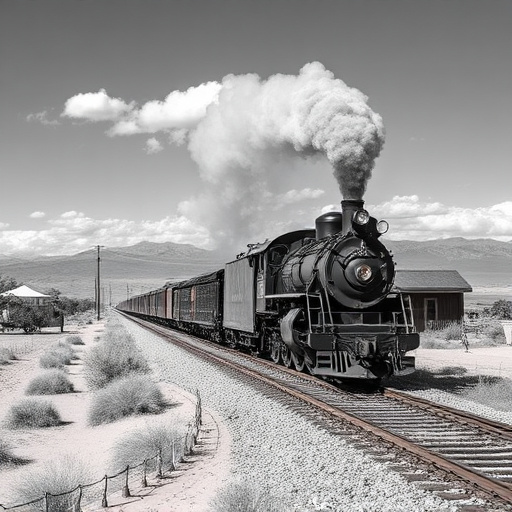
The railroads that traverse and connect the Sonoita wine country have played a pivotal role in its history, shaping not just its economic landscape but also its cultural identity. The arrival of the rails in the late 19th century marked a turning point, transforming the small town into a bustling hub for ranching and trade. The line connecting Patagonia to the rest of southern Arizona facilitated the transport of local livestock and agricultural goods, leading to a boom in both ranching and winemaking, two pillars of the area's economy.
The railroad history of Patagonia, in particular, is rich with stories of pioneer spirit and ingenuity. The line's construction required immense effort and perseverance, with workers navigating challenging terrain and extreme weather. This era left a lasting legacy, not just in the form of infrastructure but also in the memories of those who lived through it. Today, visitors can explore this history by following the Sonoita Wine Trail, which passes by historic sites and offers glimpses into the region's past. A small group Sonoita wine tour guide can provide valuable insights into the area's railroad heritage while also introducing travelers to the local vineyards.
Birding enthusiasts will find that the region's rail history has also contributed to its biodiversity. The diverse habitats along the rail corridor, from rugged mountains to sprawling grasslands, have attracted a wide array of bird species. The Canelo Hills, for example, are a hotspot for migratory birds, and the Las Cienegas grasslands support numerous endemic and threatened species. Combining birding with a wine country tour allows visitors to appreciate the area's natural and cultural richness.
The railroads played a crucial role in the development of local events and festivals. The Sonoita Fairgrounds and Rodeo, for instance, have long been a highlight, drawing both locals and visitors. The rail lines facilitated the transport of fairgoers and livestock, ensuring the event's success. Similarly, wine festivals in the region, celebrated in towns like Sonoita and Elgin, owe their accessibility to the efficient rail system, which continues to connect the heart of Arizona's wine country.
Birding Near Sonoita: Nature's Richness and Rail's Role

The rugged landscapes of Sonoita, nestled in the heart of the Sonoran Desert, offer more than just breathtaking scenery. This region is a haven for birding enthusiasts, attracting a diverse array of feathered species thanks to its unique blend of mountains, grasslands, and riparian habitats. The area's rich biodiversity is a sign of the ecological balance maintained by the region's history of ranching and, later, rail transportation.
Ranching in Sonoita dates back to the 19th century, with families like the Canelos establishing their ranches in the nearby Canelo Hills. These ranches, sustained by the region's abundant water sources like Sonoita Creek, not only shaped the local economy but also contributed to the preservation of the area's natural resources. Today, these working ranches coexist harmoniously with the growing wine industry, with many vineyards situated within a stone's throw of the historic grasslands. The Sonoita Wine Trail, a popular attraction for visitors, weaves through these vineyards, offering a unique blend of wine tasting and birding experiences.
The introduction of the railroad in the late 1800s further influenced the region's development. The Southern Pacific Railroad, for instance, connected Elgin and Sonoita, facilitating the transport of goods and people. This era left a lasting impact on the area's topography, with the construction of bridges and tunnels altering the local landscape. Interestingly, these engineering marvels have also become points of interest for birdwatchers, as they provide habitats for various bird species. A small group Sonoita wine tour guide, for example, might point out the increased bird activity near railroad crossings during migration seasons, providing a fascinating insight into the interplay between human history and natural ecosystems.
The scenic beauty of the region, characterized by the towering Santa Rita and Mustang mountains, adds another layer to the birding experience. The changing weather patterns, from the monsoons that bring vibrant fall colors to the cooler temperatures of winter, create dynamic landscapes that attract both bird migrants and nature enthusiasts. Whether exploring the rugged peaks, wandering through the expansive grasslands, or following the winding roads of the Sonoita Wine Trail, birding near Sonoita offers a unique blend of history, culture, and natural beauty.
From Pastures to Vineyards: Farming's Evolution in the Region
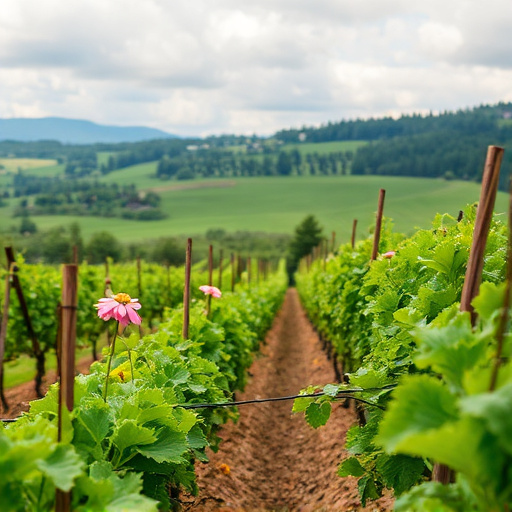
The land that now makes up the scenic Patagonia and Sonoita regions has a rich agricultural history. For centuries, the area was primarily dedicated to ranching, with vast grasslands supporting herds of cattle and sheep. The legacy of these ranching days is still visible today, particularly in the region's distinctive terrain, shaped by generations of grazing and land management. As the 20th century progressed, the region's climate and soil quality began to attract winemakers, who saw potential in the lush, sun-drenched valleys. This transition from pastures to vineyards marked a significant turning point in the local economy and the cultural identity of the region.
The Sonoita Wine Trail, a popular destination for wine enthusiasts, showcases the area's thriving viticulture. The trail winds through picturesque landscapes, offering visitors a chance to enjoy not only the fruits of the vine but also the region's unique natural beauty. The transition from ranching to winemaking has brought new life to the land, fostering a thriving ecosystem for a diverse array of wildlife. Birding near Sonoita has become a popular activity, with the area's varied habitats attracting a wide range of bird species, from elusive migratory birds to year-round residents.
This evolution from ranching to wine country has also influenced the region's tourism. Eco Buzz Tours, a local company specializing in outdoor adventures, takes visitors on immersive experiences that blend the area's rich history with its natural wonders. A trip along the Sonoita Creek, for instance, can offer insights into both the region's ranching past and its vibrant present, with the creek serving as a vital water source for both historical and modern agricultural practices. The area's unique blend of history, natural beauty, and cultural heritage makes it a fascinating destination for those seeking to examine the past while enjoying the present.
Frequently Asked Questions About a Look at the Ranching and Rail History of the Area
What is the significance of ranching in the area's history?
Ranching played a foundational role in the development of the region. From the mid-19th century onward, large cattle ranches spread across the open plains and mountains, driven by the demand for beef in rapidly growing urban centers. The area's rugged terrain and abundant grasslands made it ideal for grazing, fostering a culture centered around cattle herding and ranching. This legacy is still evident in the local communities, where traditions and festivals celebrate the region's ranching heritage.
When did railroads first arrive in the area?
Railroads began to penetrate the region in the late 19th century, fundamentally transforming the area's economy and culture. The first railway lines arrived in the early 1880s, primarily for transporting minerals and agricultural goods. However, it was the construction of transcontinental lines in the 1880s that truly opened the area to wider trade. Towns grew around train stations, and the railroad facilitated the migration of people and goods, shaping the region's diverse cultural landscape.
How did railroads impact local communities?
Railroads had a profound impact on local communities, bringing both opportunities and challenges. They spurred economic growth by connecting towns to markets, enabling the export of local produce, and attracting businesses. This led to the development of bustling commercial centers and agricultural hubs. However, the arrival of railroads also led to demographic shifts, with some communities booming while others declined. The railroad's influence is still felt in the region's layout, with many towns retaining their train stations as central landmarks.
What role did the railroads play in the area's agricultural development?
The railroads played a pivotal role in the area's agricultural development by providing efficient transportation for farm goods. Local farmers benefited from the ability to ship their produce, livestock, and raw materials to distant markets, fostering a thriving agricultural economy. This connectivity encouraged specialization, with certain regions focusing on specific crops or livestock. The railroads also facilitated the introduction of new farming techniques and technologies, contributing to the area's agricultural diversity and prosperity.
Are there any remnants of the ranching and rail era still visible today?
Yes, the legacy of ranching and rail is still evident throughout the area. Many historic train stations have been preserved, serving as community landmarks and museums that showcase the region's past. Old ranching communities have evolved into modern towns, but their roots are often reflected in local traditions, festivals, and the architecture of older buildings. The landscape is dotted with cattle ranches, some of which have been in continuous operation for over a century, reminding visitors and residents alike of the area's rich and enduring ranching history.
The history of Sonoita is deeply intertwined with ranching and rail, shaping the area's unique character. Early settlers' ranching roots laid the foundation for the region's agricultural evolution, transforming vast pastures into fertile vineyards. The arrival of railroads further enriched the local economy and infrastructure, making Sonoita accessible for trade and tourism. This historical context not only preserves the town's cultural heritage but also contributes to its vibrant cultural scene, including birding near Sonoita, which flourishes thanks to the area's diverse natural habitats.
Understanding these historical aspects offers valuable insights into the region's present and future. Recognizing the role of railroads in both the past and present can inform urban planning and conservation efforts, ensuring the continued enjoyment of Sonoita's historical context and natural beauty. Similarly, appreciating the ranching legacy can inspire sustainable farming practices, fostering the area's ongoing culinary and wine traditions. The article's exploration of these topics provides a solid foundation for further research and a deeper appreciation of the intricate mix that makes Sonoita such a captivating destination.
In Sonoita, a small town in the heart of the Sonoran Desert, ranching is deeply rooted in history and culture. Early settlers established cattle ranches in the mid-19th century, recognizing the region's potential. Today, thriving cattle ranches dot the landscape, alongside a vibrant wine industry. The annual Sonoita Rodeo celebrates this heritage, while the Sonoita Wine Trail offers a blend of wine tasting and birding experiences. The area's diverse habitats, shaped by its ranching and rail transportation history, support a rich array of bird species. Local guides provide immersive tours that combine the region's history, natural beauty, and cultural heritage.