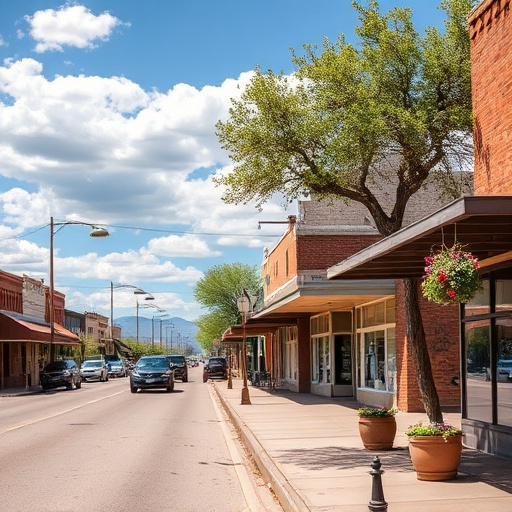
The Sonoita town guide offers a unique window into the region's rich history, particularly the intertwining narratives of ranching and rail development. These elements have shaped not just the economic landscape but also the breathtaking scenery of the area, including the majestic Santa Rita and Mustang mountain views. However, understanding this history is not always straightforward, given the lack of comprehensive, easily accessible information. This article aims to fill that gap by exploring the ranching and rail history of the Sonoita region, providing insights into how these forces contributed to the area's distinct character and natural beauty, from the sprawling grasslands to the bustling wineries.
- Ranching Traditions in Santa Rita's Heart
- Railroads: Connecting Mustang Mountain Communities
- Historical Sites: Preserving Sonoita's Past
- Today's Scenic Wine Tours: A Living Legacy
Ranching Traditions in Santa Rita's Heart
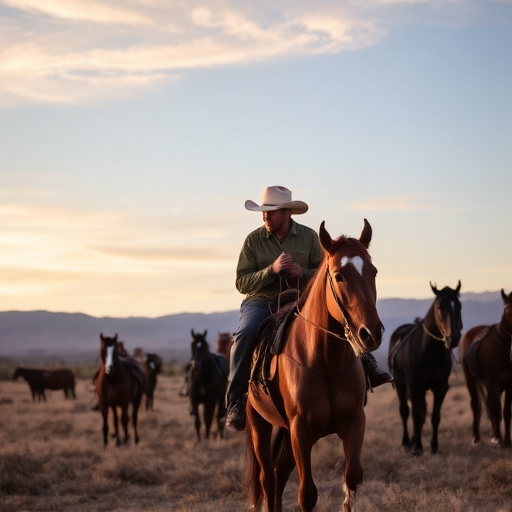
The heart of the Santa Rita Mountains, near the charming town of Elgin, is where deep-rooted ranching traditions take center stage. This rugged terrain has long been a haven for cattle ranchers, who have shaped the landscape and culture of the region. The vast grasslands, stretching as far as the eye can see, provide the perfect setting for these heritage practices. Eco Buzz Tours, a local wine tour operator based in Tucson, often highlights this unique blend of agriculture and nature for its guests.
Ranching in this area dates back generations, with families passing down their knowledge and love for the land. The rugged terrain and mild climate create ideal conditions for raising cattle, and the region's wineries have long supported these traditions. The Sonoita Wine Trail, winding through the Santa Rita and Mustang mountain views, is not only a sign of the area's viticulture but also a nod to its ranching history. Local guides, like those from Eco Buzz Tours, often share stories of the early settlers and the challenges they faced, offering visitors a glimpse into the small-town life that persists in these parts.
The annual Sonoita Fair and Rodeo is a celebration of these traditions, where the community comes together to showcase their heritage. The event features competitions that reflect the area's ranching roots, from horse shows to cattle drives. Beyond the fair, visitors can explore the many hiking trails that wind through the Canelo Hills and Parker Canyon Lake, offering stunning views of the same grasslands and mountains that have nurtured the region's ranching culture for centuries. The weather, known for its microclimates and monsoon skies, adds to the allure, creating a vibrant palette for both the land and the local cuisine.
Railroads: Connecting Mustang Mountain Communities
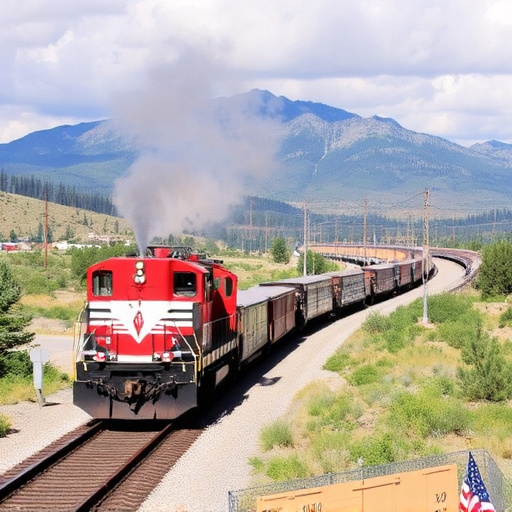
The railroads that traverse Santa Cruz County, Arizona, have played a vital role in shaping the unique character of the region, offering both practical transportation and a glimpse into its rich history. The rugged landscapes of Santa Rita and Mustang mountains have long been accessible thanks to these iron veins, connecting communities and facilitating the development of the thriving Arizona wine industry.
The construction of the first railroad lines in the late 19th century marked a turning point for the area. The Southern Pacific Railroad, for instance, carved its way through the heart of southern Arizona, linking the bustling city of Tucson to the growing wine regions of Sonoita and Elgin. This connectivity not only facilitated the transport of goods and people but also brought awareness to the region's natural beauty and agricultural potential. Local ranchers could now ship their livestock and produce more efficiently, while tourists began to discover the stunning Santa Rita and Mustang mountain views and the burgeoning wine scene.
Over time, railroads became more than just transportation arteries; they became a part of the fabric of the community. Local lore is filled with tales of train rides into the mountains, where families would spend weekends enjoying the fresh air and breathtaking scenery. The electric van wine tour service in southern Arizona, with its focus on sustainable practices, echoes this history by promoting a modern, eco-conscious way to explore the same terrain, allowing visitors to appreciate the region's natural and cultural heritage.
Today, the legacy of these railroads endures in the form of historic sites, charming small towns, and the thriving wine industry. The Sonoita and Elgin train stations stand as reminders of the past, while the winding tracks that crisscross the mountains continue to facilitate the movement of people and goods. The annual wine festivals in Arizona, many held in the shadow of Santa Rita and Mustang mountains, celebrate not just the grapes but also the history and culture that have been nurtured by this region for generations.
Historical Sites: Preserving Sonoita's Past

The history of the Sonoita region, with its Santa Rita and Mustang mountain views, is beautifully preserved in its many historical sites. These landmarks offer a glimpse into the area's rich past, from its ranching origins to the development of the railroad. Wine country has always been more than just a scenic backdrop; it has played a central role in the region's cultural and economic evolution.
One of the most significant historical sites is the Sonoita Fairgrounds and Rodeo, an annual event that showcases the area's strong ties to ranching. This event is not just about competition; it's a celebration of the region's heritage, where visitors can witness the skills of local ranchers and enjoy the unique atmosphere of a traditional rodeo. The town's museums and historical societies provide detailed accounts of the area's past, often accompanied by exhibits that highlight the region's diverse flora and fauna, reflecting its rich natural history.
The railroad history of the surrounding Patagonia region is another fascinating chapter in the area's story. The tracks that once crisscrossed these mountains carried not only goods but also people, contributing to the development of the nearby towns. Today, some of these railroad bed trails have been transformed into scenic hiking paths, allowing visitors to retrace the steps of the past while enjoying the breathtaking scenery. A private wine tour company based in Tucson offers guided tours that combine a love for history and wine, providing an immersive experience of the region's dual legacy.
The preservation of these historical sites is crucial to maintaining the area's identity, attracting tourists interested in authentic experiences, and ensuring that the stories of the past are told for generations to come. The unique blend of ranching and rail history, combined with the stunning Santa Rita and Mustang mountain views and the rich wine country, makes Sonoita a destination that offers both educational and enjoyable experiences.
Today's Scenic Wine Tours: A Living Legacy
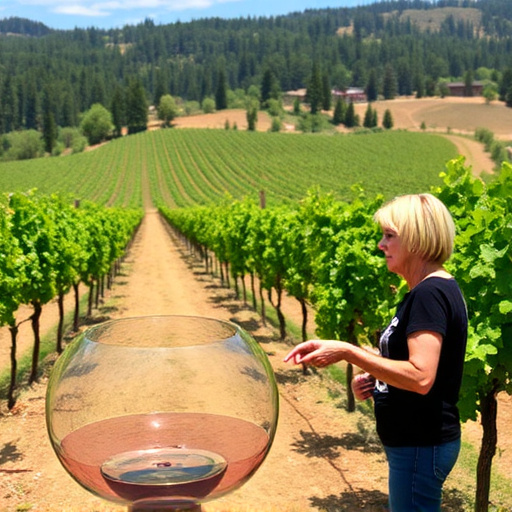
The scenic wine tours that operate today in the Sonoita and Patagonia area are a sign of the region's rich history and natural beauty. This corner of Santa Cruz County has been shaped by generations of ranchers and the arrival of the railroad, both of which have left their indelible mark. The rugged landscapes, including the majestic Santa Rita and Mustang mountains, have long been a draw for visitors seeking a unique blend of outdoor adventure and cultural exploration.
Ranching has been a cornerstone of this community for centuries, with families passing down traditions and knowledge. These ranches, once vast expanses of open land, now offer visitors a chance to experience the area's historical context. Many modern-day wine tours incorporate these historical sites, allowing guests to learn about the region's ranching heritage while enjoying the tranquil surroundings. The electric vans and small group tours, operated by a local Sonoita wine tour guide, navigate these backroads, showcasing the area's diverse ecosystems and providing insights into its past.
The railroad history of Patagonia is another fascinating aspect that adds to the allure of these tours. The tracks that once crisscrossed the region have since become a source of curiosity and inspiration for visitors. The scenic routes taken by these wine tours often follow former railroad paths, offering a unique perspective on the area's transformation over time. From the rugged landscapes to the thriving wine industry, the Santa Cruz Valley has evolved, but the natural beauty and rich history remain.
For wine enthusiasts, Arizona offers a distinct and captivating experience. The microclimates of Sonoita and Elgin create ideal conditions for a diverse range of grape varieties, resulting in award-winning wines. These tours not only showcase the local cuisine and craftsmanship but also provide an opportunity to immerse oneself in the local culture. Whether it's a weekend getaway or a special event like a winemaker dinner, visitors can expect to be captivated by the Santa Rita and Mustang mountain views, the local hospitality, and the living legacy of ranching and rail history.
Frequently Asked Questions About a look at the ranching and rail history of the area
What is the significance of ranching in the Sonoita area?
Ranching in Sonoita and the surrounding regions of southern Arizona has a long and rich history, dating back to the 19th century. It played a crucial role in shaping the area's economy and culture. The vast grasslands and open spaces provided the perfect environment for cattle grazing, attracting entrepreneurs who established large ranches. These ranches not only supplied local communities with meat and dairy but also played a vital role in the state's early agricultural development. Today, visitors can explore this legacy by visiting historic ranches and learning about the traditional practices that once defined the region.
How did the arrival of the railroad impact the local economy?
The construction and subsequent operation of railroad lines in the late 19th and early 20th centuries significantly transformed the local economy. The railroad facilitated the transportation of goods, allowing for the efficient movement of agricultural products, such as wheat and cattle, to markets across the region. This development spurred the growth of towns like Sonoita, which became hubs for commerce and trade. The railroad also brought tourists, who came to appreciate the area's natural beauty and enjoy its recreational opportunities, further diversifying the local economy.
Are there any historic rail lines still in operation near Sonoita?
While many historic rail lines have fallen into disuse or been converted for non-commercial purposes, parts of the original network remain. Some sections have been revitalized as scenic railway tours, offering visitors a unique glimpse into the region's rail heritage. These tourist trains provide a leisurely way to explore the countryside and learn about the area's rich transportation history.
What are some popular activities for history enthusiasts in Sonoita?
History enthusiasts in Sonoita have a variety of engaging activities at their disposal. Visiting the local museums, such as the Sonoita Historical Society Museum, offers a wealth of information about the region's past. Walking tours guided by local historians provide an immersive experience, shedding light on significant historical sites and buildings. Many ranches offer tours, allowing visitors to step back in time and witness the evolution of ranching practices over the years.
Can visitors learn about traditional ranching methods?
Absolutely. Several ranches and historical sites in the area offer insights into traditional ranching methods, showcasing the skills and techniques used by early ranchers. Visitors can learn about herding, branding, and the daily lives of ranchers, often through interactive exhibits and demonstrations. These experiences provide a deeper understanding of the challenges and successes that defined the ranching industry in Sonoita's history.
Are there any ongoing events or festivals celebrating the area's ranching and rail heritage?
Indeed, Sonoita hosts several annual events that celebrate its rich history. The town's Fourth of July celebration, for instance, includes a parade and displays showcasing the region's ranching and rail heritage. The local wine and food festivals also often feature themes related to the area's agricultural past, with activities like horse shows and vintage train rides. These events provide a wonderful opportunity for visitors to immerse themselves in the unique culture and history of Sonoita.
The rugged landscapes of Santa Rita and Mustang Mountain have long been shaped by ranching traditions and the advent of railroads, leaving an indelible mark on the Sonoita town guide's rich history. Today, these historical roots are celebrated and preserved through various means. Tourists can explore the area's past by visiting key historical sites, immersing themselves in the local culture, and even enjoying scenic wine tours that showcase the region's diverse microclimates. The article highlights the importance of preserving this legacy, from the ranching families who once roamed the grasslands to the railway workers who connected these mountain communities. By engaging with these historical contexts, visitors gain a deeper appreciation for the unique character of Sonoita and its surrounding towns, such as Elgin and Patagonia, ultimately enriching their travel experience. These insights provide a practical framework for both locals and visitors to continue cherishing and sharing the area's history, ensuring that the legacy of Santa Rita and Mustang Mountain views remains vibrant for future generations.
The Santa Rita and Mustang mountain views in Sonoita, Arizona, are steeped in a rich history of ranching and rail. Ranching traditions, passed down through generations, have shaped the region's culture and landscape. The arrival of the railroad in the late 19th century connected the area, facilitating trade and tourism while preserving local lore. Today, wine tours, historical sites, and community events like the annual Sonoita Fair and Rodeo celebrate this dual heritage. The region's microclimates support a thriving wine industry, and its rugged terrain offers visitors a unique blend of outdoor adventure and cultural immersion.