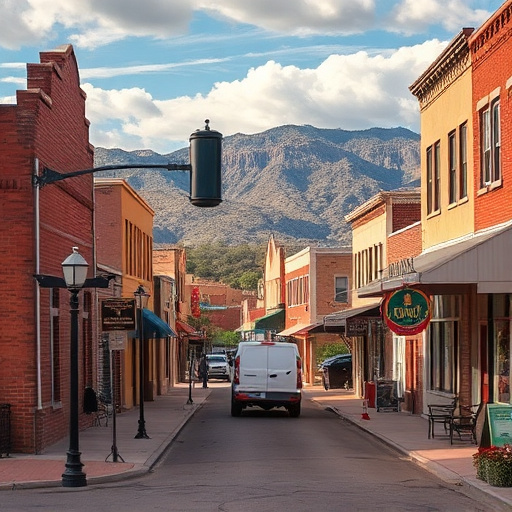
The scenic Sonoita town guide offers more than just a glimpse into its vibrant wine and dining scene; it's a window into a rich history. The area's ranching heritage, deeply rooted in the Santa Rita and Mustang mountain views, has shaped the region for centuries, while the arrival of the railroad brought new life and opportunities. Understanding these historical contexts is crucial for appreciating the unique charm of the Sonoita community. This guide examines the past, highlighting the ranching and rail history that has transformed this corner of the Sonoran Desert into a thriving, yet still small-town, destination. Prepare to be captivated by the stories and landscapes that have made Sonoita a must-visit on any Arizona road trip.
- Ranching Roots: A Historical Perspective
- Railroads and Remote Towns: Santa Rita's Story
- Mustang Mountain Landscapes: Nature's Testimony
- Preserving Heritage: A Glimpse into the Present
Ranching Roots: A Historical Perspective

The ranching roots of Patagonia and the surrounding wine country of Santa Cruz County, Arizona, are deeply intertwined with the dramatic landscapes of Santa Rita and Mustang mountains. For centuries, these rugged peaks have watched over the sprawling grasslands of Sonoita, a small town that has become a hub for both ranching and winemaking. The area's ranching history is a sign of the resilience of both people and animals in the harsh, yet bountiful, Sonoran Desert.
Local ranchers have traditionally raised livestock, taking advantage of the region's abundant grasslands. The wide-open spaces and mild climate make it an ideal environment for grazing. The mountains, with their year-round water sources, provide a sanctuary for wildlife, including diverse bird species, which contribute to the area's growing reputation as a premier birding destination. A small group Sonoita wine tour guide often points out these natural wonders to visitors, highlighting how the region's history and geography have shaped its present-day appeal.
The arrival of the railroad in the late 19th century further impacted the area. The narrow gauge tracks, snaking through the canyons and valleys, facilitated the transport of goods and people, connecting Patagonia and Sonoita to the wider world. This period marked a turning point in the region's economy, as wine production became a significant industry. The same mountains that once supported ranching now enhance the scenic beauty of wine country, drawing tourists from Tucson and beyond on road trips and day trips to explore the area's natural and cultural offerings.
Today, visitors can still witness the area's ranching heritage at local fairs and rodeos, such as the Sonoita Fairgrounds. These events not only showcase the region's agricultural traditions but also celebrate the unique blend of history, culture, and natural beauty that makes Patagonia and its surroundings a captivating destination. The area's past and present are intricately linked, offering both a glimpse into Arizona's history and a taste of its vibrant wine culture.
Railroads and Remote Towns: Santa Rita's Story
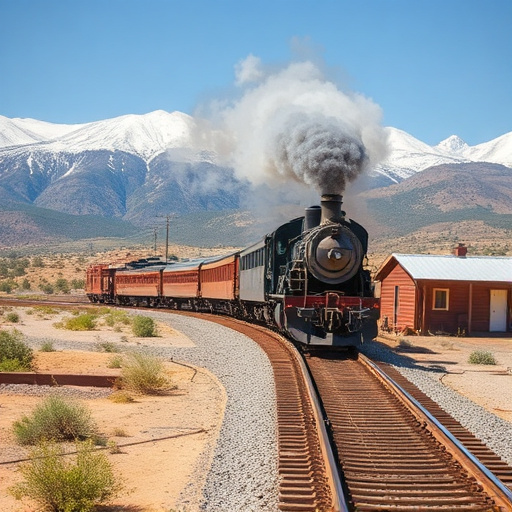
The story of railroads and remote towns in Santa Cruz County is as rich as the wine that now flows through its valleys. Take the town of Santa Rita, nestled beneath the dramatic peaks of Santa Rita and Mustang Mountains, a sight that invites you to pull over for a photograph as you travel through the area. This small community, like many others in the region, was shaped by the arrival of the railroad, which connected it to the wider world and sparked a boom in winemaking.
In the late 19th century, the Santa Rita Valley was largely untouched by modern development. The landscape was a patchwork of grasslands, scrubland, and dense forests, ideal for ranching. As the railroad extended its reach into the area, it brought with it not only people but also new opportunities. Wine enthusiasts from distant lands discovered the region's unique terroir, characterized by a long growing season and microclimates that allowed for a diverse range of grape varieties. The Santa Rita and Mustang mountains, with their rugged beauty, provided a dramatic backdrop for the burgeoning wine industry.
The railroad facilitated the transportation of goods and people, transforming the town into a bustling hub. Wine barrels rolled onto trains, bound for markets beyond the valley, while winemakers and their families traveled to and from the area. This influx of people and resources led to the establishment of numerous wineries, each contributing to the rich culinary and cultural scene that remains today. An electric van wine tour service in southern Arizona, for instance, can take you through these historic vineyards, offering insights into the region's ranching and railroad past while you savor local wines.
Over time, the railroad fell into disuse, but its legacy endures. The town of Santa Rita, with its historic charm and stunning mountain views, has become a popular destination for those seeking a peaceful escape from the bustling city. The local wine tour operator, often based in Sonoita town guide, can take you on a journey through the region's history, from the days of ranching and the railroad to the thriving wine country it helped create. These tours not only offer a chance to experience the best of local wines but also to understand the unique blend of cultural and natural elements that make Santa Cruz County such a distinctive and charming place.
Mustang Mountain Landscapes: Nature's Testimony
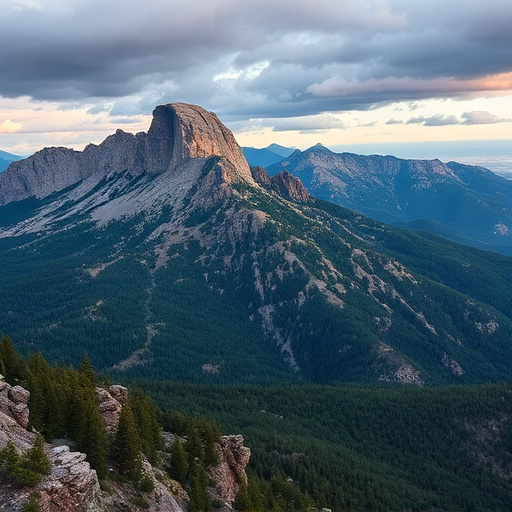
The rugged landscapes of Santa Rita and Mustang Mountains stand as silent witnesses to the area's rich history. These majestic peaks, that pierce the horizon near Sonoita, hold stories of both ranching and rail development that have shaped the region. For centuries, the grasslands and sprawling rangelands have been the backbone of the local economy, providing a thriving environment for livestock grazing. The history of ranching in this area dates back to the 1800s, when pioneer families established themselves and carved out a living from the harsh yet beautiful terrain.
Ranching activities have left an indelible mark on the region, evident in the cultural and architectural remnants still visible today. Old ranching homes, once bustling with activity, now stand as historical monuments, telling tales of hard work and resilience. The vast grasslands, stretching as far as the eye can see, were once the domain of cowboys herding cattle along the trails that crisscrossed the mountains. This way of life, though evolving, continues to be celebrated in annual events like the Sonoita Fairgrounds and Rodeo, showcasing the spirit of the community and its deep connection to the land.
In parallel to ranching, the railroad history of the nearby Patagonia region is another chapter in this epic narrative. The arrival of the tracks brought both progress and challenges, transforming the landscape and the lives of the residents. The electric van wine tour service in southern Arizona, for instance, often passes through these historic rail corridors, offering visitors a unique perspective of the region's transformation. While the railroads are now largely gone, their right-of-ways have evolved into scenic trails, allowing modern-day explorers to appreciate the Santa Cruz County landscape as it once was-a vibrant mix of wildlife and wildflowers, particularly during the fall, when the grasslands burst into a kaleidoscope of colors.
Preserving Heritage: A Glimpse into the Present

The scenic Santa Rita and Mustang mountain views that surround Sonoita are more than just a breathtaking backdrop; they are a sign of the area's rich history. For centuries, this land has been shaped by the enduring spirit of ranchers and the advent of railroads, both of which have left an indelible mark on the region's identity. Today, visitors to this small town can witness this heritage in action, from the historic ranches still operational to the remnants of the railroad that once connected Patagonia to Tucson.
Preserving this history is a priority for the local community, which recognizes the unique value of its past. Eco Buzz Tours, a Tucson winery and brewery tour company, offers visitors a chance to explore this heritage through immersive experiences. Their small group Sonoita wine tour guides often point out the ancient ranching practices still employed by local families, showcasing how traditional methods have evolved alongside modern viticulture. The company also highlights the historic railroad grade that cuts through the landscape, providing a glimpse into the region's transport past.
The area's scenery, characterized by the sprawling Sonoran Desert and the dramatic mountain ranges, has long been a draw for both ranchers and wine enthusiasts. This unique blend of history and natural beauty creates a distinct atmosphere that sets Sonoita apart from other Arizona wine destinations. Local winemakers often emphasize the region's microclimates and diverse soils, which contribute to the unique flavors of their wines. This sense of place is what attracts visitors and ensures that the traditions of the past remain an integral part of the area's present and future.
As the region continues to evolve, efforts to preserve its ranching and rail history remain steadfast. Local festivals, winemaker dinners, and events like the annual Sonoita fairgrounds and rodeo celebrate the community's heritage. These gatherings not only entertain but also educate, ensuring that the stories of the past are told and the traditions of this special place are carried forward, much like the winding tracks of the old railroad that still cut through the heart of Patagonia.
Frequently Asked Questions About a look at the ranching and rail history of the area
What is the significance of the rail history in Sonoita?
Sonoita's railroad heritage dates back to the late 19th century, when the Southern Pacific Railroad extended its lines through the area. This era marked a pivotal moment in the town's development. The railroad facilitated the transport of goods, people, and resources, fostering growth and connecting Sonoita to larger markets. Today, remnants of this history can be seen in the town's architecture and the scenic rail trails that draw visitors from across southern Arizona.
How did ranching contribute to the area's culture and economy?
Ranching has been a cornerstone of the local economy and culture for generations. The vast open spaces and fertile land made Sonoita ideal for cattle grazing. The industry fostered a sense of community among ranchers, who often relied on each other for support. Over time, ranching practices evolved, incorporating modern techniques while preserving traditional knowledge. Today, the area's wineries and breweries also thrive, showcasing the diverse agricultural legacy of the region.
Are there any historical ranching sites still standing?
Indeed, several historical ranching sites remain intact, offering a glimpse into the past. These include well-preserved homesteads, historic fences, and ancient water wells.
When did the local wine industry begin, and how has it developed?
The wine industry in Sonoita started in the 1970s with a few visionary winemakers who recognized the area's potential. Since then, it has blossomed into a thriving sector, with numerous wineries and breweries dotting the landscape. The industry benefits from the region's unique microclimate and diverse soil types, producing a wide range of high-quality wines and craft beverages.
Can visitors experience the ranching and rail history firsthand?
Absolutely. Local tour operators, like Eco Buzz Tours, offer immersive experiences that blend the area's ranching and rail histories. These tours often include visits to historic sites, conversations with local experts, and even opportunities to interact with livestock. Guests can learn about the region's pioneering days while enjoying the natural beauty of the Sonoita and Elgin wineries.
The Sonoita town guide offers a unique window into the rich history of ranching and rail transport in the region. By exploring the roots of ranching, the impact of railroads on remote towns like Santa Rita, and the breathtaking landscapes of Mustang Mountain, we gain a deeper appreciation for the area's natural and cultural heritage. The article reveals how these historical elements have shaped the present, with efforts to preserve and celebrate the region's unique identity. Key takeaways include the importance of understanding the past to appreciate the present, the value of historical narratives in tourism, and the enduring allure of Santa Rita and Mustang Mountain views for both locals and visitors alike. For those inspired by this guide, practical next steps could include participating in local events, engaging with history through guided tours, or simply immersing oneself in the quiet beauty of the Sonoran Desert while contemplatively gazing at the scenic horizons.
The rugged Santa Rita and Mustang mountains, overlooking Sonoita, Arizona, hold a rich history intertwined with ranching and rail development. Ranching roots date back centuries, with local families transforming the harsh desert into thriving grasslands. The arrival of railroads in the late 19th century sparked a wine industry boom, connecting the region to the wider world. Today, visitors can explore this history through local tours, experiencing both the area's ranching heritage and its scenic beauty, from the rugged mountains to the sprawling grasslands. The area's past and present blend seamlessly, offering a unique blend of cultural and natural attractions.