In the heart of southern Arizona's Sonoran Desert, the towns of Sonoita and Elgin offer a unique blend of rich history, vibrant culture, and world-class wine experiences. Known for their stunning scenery, including the expansive Sonoita grasslands and breathtaking views of Santa Rita and Mustang mountains, these wine country destinations draw visitors from around the globe. However, navigating seasonal changes in weather and scenery can be challenging. This guide provides essential insights into the microclimates, wildlife, and scenic highlights of Sonoita at different times of the year, ensuring a memorable and enriching visit. Whether you're planning a wine country weekend, a road trip from Tucson, or your first visit, this article is your compass through the ever-changing landscapes and events that make Sonoita a must-visit destination.
- Understanding Sonoita Grasslands' Seasonal Transformations
- Best Times to Tour for Optimal Wine Country Views
- Adapting Wine Tours to Local Climate Changes
- Exploring Sonoita's Unique Scenery Year-Round
Understanding Sonoita Grasslands' Seasonal Transformations
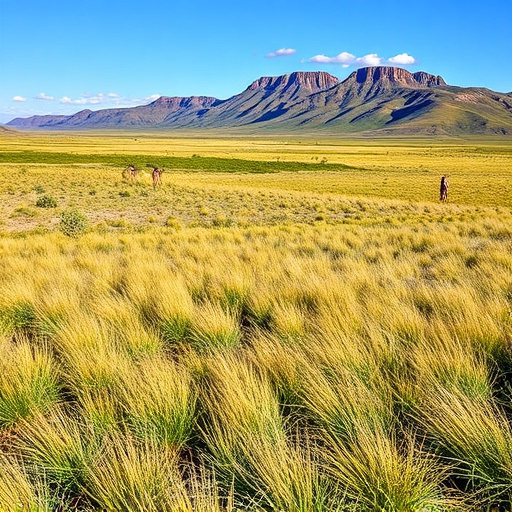
The Sonoita grasslands transform with each season, offering a dynamic landscape for visitors to explore. This diverse ecosystem, spanning over 50,000 acres, boasts a rich mix of flora and fauna that change with the weather. In the spring, the grasslands burst into a kaleidoscope of wildflowers, attracting a variety of bird species, making it a birder's paradise. As summer arrives, the landscape turns golden, providing a stark contrast to the rugged Santa Rita and Mustang mountains that surround the area.
One of the most striking seasonal displays occurs during the monsoon season, when dramatic cloud formations and vibrant rainbow-hued skies paint the sky over Patagonia and Sonoita. The rain-soaked grasslands become a lush green, and the air is filled with the sound of running water from nearby rivers and creeks, such as Sonoita Creek. This is the perfect time for a wine country weekend, as the region's wineries offer unique experiences, often featuring local cuisine that complements the changing season. A local Tucson wine tour operator might recommend exploring the Sonoita wine trail, which winds through these very grasslands, providing a unique perspective on the area's natural beauty.
As fall arrives, the grasslands show off their most dramatic colors, with hues of red, gold, and amber blanketing the landscape. This is a popular time for photography enthusiasts to capture the unique scenery. The cooler temperatures make it ideal for hiking in the nearby Canelo Hills or Parker Canyon Lake, where the changing foliage provides a stunning backdrop. The transition to winter brings a quieter, more introspective atmosphere, with the grasslands becoming a haven for wildlife seeking shelter from the cold. This seasonal cycle is a sign of the resilience and beauty of the Sonoita grasslands, making it a must-visit destination for nature lovers and wine enthusiasts alike.
Best Times to Tour for Optimal Wine Country Views
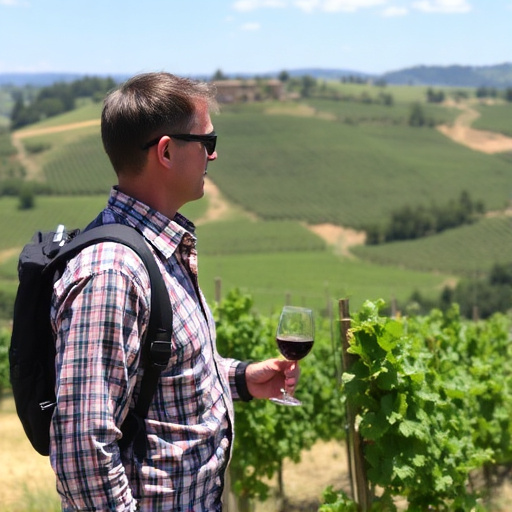
The best times to tour wine country in Sonoita offer not only optimal wine tasting experiences but also breathtaking views that showcase the region's unique beauty, especially its expansive grasslands. Spring (March to May) and fall (September to November) are considered the peak seasons for exploring the scenic landscapes, as the weather is generally mild and pleasant. During these periods, the grasslands in Sonoita and nearby Elgin are at their verdant best, providing a striking contrast against the rugged Santa Rita and Mustang mountains.
A visit in early spring can reveal a vibrant display of wildflowers dotting the grasslands, while fall brings a vibrant palette of warm hues as the foliage changes. These seasons also offer a chance to witness the region's rich history, as many local wineries host special events and festivals celebrating the harvest. The Elgin Wine & Food Festival in October is a notable example, showcasing the area's culinary and viticultural heritage. A Tucson winery and brewery tour company often highlights these seasonal events, providing an immersive experience for wine enthusiasts.
Summer (June to August) presents a different kind of experience. While the weather can be hot, it's an excellent time to explore the region's natural wonders, like the Canelo Hills and Parker Canyon Lake, which offer cooler temperatures and opportunities for hiking and birding. However, be prepared for monsoon skies that can bring sudden showers, painting the skies with dramatic flashes of lightning-a spectacle not to be missed.
Winter (December to February) in Sonoita wine country is quieter, with many wineries taking a break. However, it's a peaceful time to visit, offering opportunities to see the region in a different light. The holidays bring festive events, and the cooler temperatures can make for crisp, clear nights ideal for stargazing.
Adapting Wine Tours to Local Climate Changes
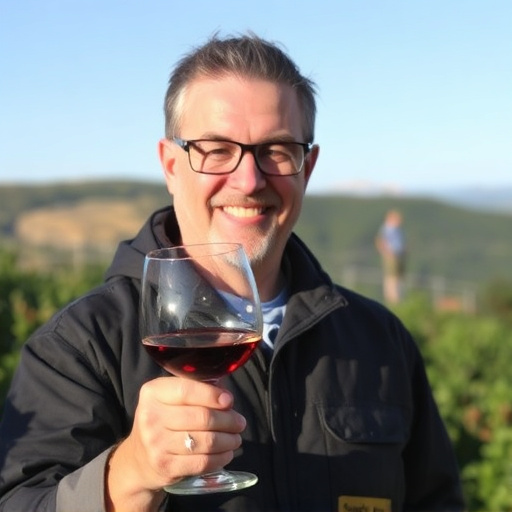
As a wine country tour guide in the unique microclimates of Patagonia and the Sonoran Desert, adapting to local climate changes is crucial. In Sonoita, for instance, the grasslands-a defining feature of the landscape-experience vibrant fall colors and distinct seasonal shifts. This natural mix, coupled with the area's renowned Arizona wine, creates a captivating backdrop for our small-town experiences.
A local Tucson wine tour operator, Eco Buzz Tours, understands the importance of aligning experiences with the local climate. We've observed that weather patterns in Sonoita and nearby Elgin can change quickly. While the monsoon season brings lush greenery and vibrant wildlife, it can also mean sudden thunderstorms and unpredictable weather. Our approach is to offer flexible tours that cater to these variations. We might adjust departure times to avoid storms or highlight scenic views that are particularly striking during specific seasons, like the dramatic mountain ranges of Santa Rita and Mustang when the skies are clear.
To weather adaptation, we emphasize the unique cultural and historical aspects of these regions. The ranching and railroad histories of Sonoita and Patagonia offer a rich narrative that we weave into our tours. We believe that understanding the land, its people, and its past is integral to a truly immersive experience. A winemaker dinner at a local Sonoita winery can provide insights into the challenges and rewards of winemaking in this climate, while a visit to the historic Sonoita Fairgrounds and Rodeo showcases the community's deep-rooted small-town life.
As the seasons change, so does the scenery, from the vibrant bird life in the grasslands to the serene lakes like Patagonia Lake. We encourage guests to embrace the changing landscape and participate in seasonal events, like holiday celebrations and stargazing nights, that highlight the best of these wine country destinations. By staying attuned to local climate changes and sharing our knowledge, we aim to deliver unforgettable experiences that connect our guests to the unique beauty of Sonoita and its surroundings.
Exploring Sonoita's Unique Scenery Year-Round
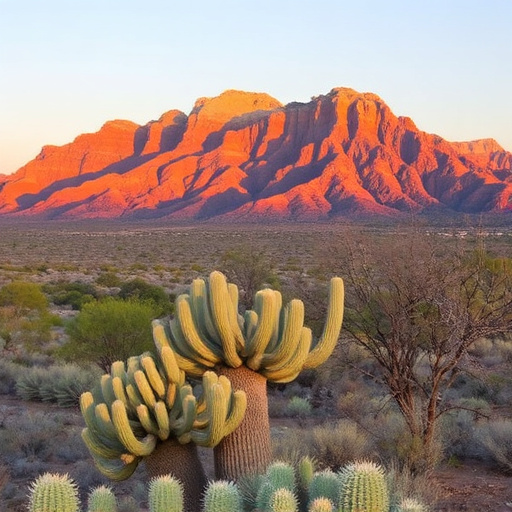
Sonoita's unique scenery is a year-round attraction, offering visitors a captivating blend of natural beauty, history, and small-town charm. Nestled in Santa Cruz County, this town is more than just a wine destination; it's a gateway to the vast and varied landscapes that define southern Arizona. One of the standout features is the Sonoita grasslands, a vibrant expanse of green that stands in contrast to the arid desert surroundings. These grasslands are not only visually stunning but also home to a diverse range of wildlife, making it a must-visit site for nature enthusiasts and birders alike.
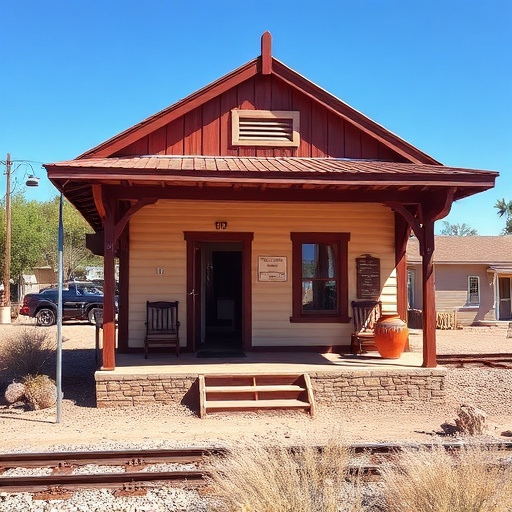
The area's history is deeply intertwined with its geography. Patagonia, just a stone's throw away, is known for its railroad history, with remnants of the old tracks still visible. The town's past is also marked by its ranching heritage, evident in the historic ranches and the annual events like the Sonoita Fairgrounds and Rodeo, which celebrate the region's cowboy culture. For art and shopping enthusiasts, Patagonia offers a unique small-town experience with local shops and galleries showcasing the work of regional artists.
Exploring these diverse landscapes is best done with a knowledgeable guide. An electric van wine tour service in southern Arizona provides an efficient and eco-friendly way to visit local wineries and experience the changing scenery. Depending on the season, visitors can witness the dramatic shift from the dry, sun-drenched hillsides to the lush green of the monsoon season, or catch a glimpse of the vibrant fall colors. The weather in Sonoita by season is a key factor in planning a trip, with mild winters and hot summers offering distinct experiences. A winter visit may include stargazing under a clear, cold night sky, while the fall brings a vibrant palette of reds, oranges, and yellows to the grasslands and surrounding mountains.
Frequently Asked Questions About Seasonal Advice on Weather and Scenery in Wine Country
What is the best time of year to visit wine country for optimal weather?
The ideal time to experience the most pleasant weather in wine country varies by location. Generally, spring (April-May) and fall (September-October) offer mild, dry temperatures, making them popular choices. During these seasons, you can enjoy sunny days with comfortable highs, perfect for exploring vineyards and enjoying outdoor tastings. While summers can be hot, with temperatures often exceeding 90F, some wineries offer shaded outdoor seating and evening events to mitigate the heat. Winters are cool, with occasional light snow in higher elevations, but the majority of wineries remain open year-round.
How does the weather affect the taste of wine?
Temperature matters in winemaking. Cooler temperatures during harvest (typically late summer/early fall) allow for slower sugar development and acid retention in grapes, contributing to a wine's balance and complexity. Warmer temperatures can accelerate these processes, leading to higher sugar levels and potentially lower acidity, which can affect the wine's overall character. Local microclimates, influenced by elevation, topography, and proximity to water bodies, can create variations in grape ripening and, consequently, wine styles.
What scenic elements can visitors expect during different seasons?
Spring brings a vibrant palette of colors as wildflowers bloom alongside the vines. This is a photographer's paradise, with lush green foliage contrasting against the rows of budding grapevines. Summer offers a lush landscape, with mature vines providing shade and a backdrop for ripe, colorful fruit. Fall is renowned for its breathtaking hues as the leaves change, creating a stunning contrast with the deep blue sky and ripe grapes. Winter scenes can vary from snowy peaks to overcast, gray landscapes, yet many wineries offer cozy indoor experiences with fireplace lounges and warm hospitality.
Are there any seasonal events or festivals visitors should know about?
Absolutely! Wine country often hosts a variety of seasonal events. Spring and summer see many outdoor festivals, music performances, and art exhibits in vineyards. Fall is celebrated with harvest festivals, grape stomps, and vintage car shows. Winter brings cozy wine and food pairings, holiday events, and, in some regions, ice-skating and snowshoeing trails. Local guides and tour companies can provide detailed information on upcoming events during your visit.
How does Eco Buzz Tours customize tours based on the season?
At Eco Buzz Tours, we tailor our private wine tours to match the season. In spring and summer, we offer shade-focused tours, providing relief from the heat during tastings. Fall tours often include visits to wineries known for their unique, seasonal offerings, like pumpkin-spiced wines and limited-edition blends. We also accommodate winter visits, ensuring guests stay warm with cozy clothing and hot beverages. Our knowledgeable guides adapt the experience to the season, sharing insights into how weather and scenery influence the winemaking process.
Can visitors expect different experiences between Sonoita and Elgin wineries?
Absolutely. While both Sonoita and Elgin are renowned for their wine scenes, each offers distinct experiences. Sonoita is known for its rugged, high-desert beauty and diverse microclimates, resulting in a variety of wine styles. Elgin, nestled in a cooler, more elevated region, boasts a more intimate, quaint atmosphere with a focus on organic and sustainable practices. Visiting during different seasons can provide a unique perspective on each area's terroir and the wines it produces.
Understanding the seasonal transformations of the Sonoita Grasslands, exploring its unique scenery year-round, and adapting wine tours to the local climate changes offer profound insights for visitors. The best times to tour coincide with breathtaking views of Santa Rita and Mustang mountains, vibrant fall colors, and the spectacular monsoon skies. Engaging in local events like the Sonoita Creek Fair and Rodeo, wine festivals, and holiday celebrations provides a deeper examine the town's rich history, including its ranching and railroad past. For first-time visitors, embracing the small-town life and discovering the local cuisine and art scene in Patagonia and Elgin will enhance the overall experience. By incorporating these key learnings, visitors can maximize their enjoyment and appreciation of wine country, ensuring memorable visits to Sonoita and its surroundings throughout the year.
The Sonoita grasslands, a 50,000-acre ecosystem, showcase seasonal beauty from spring's wildflowers to fall's vibrant foliage. This microclimate supports diverse flora and fauna, attracting birders and nature lovers. Wine tours in the region highlight local wineries, cuisine, and scenic landscapes. The best times to visit are spring and fall for mild weather and striking contrasts, with events like the Elgin Wine & Food Festival. Summer offers natural wonders and monsoon drama, while winter is quieter with festive events. Local guides adapt to changing weather, showcasing the region's history and culture.