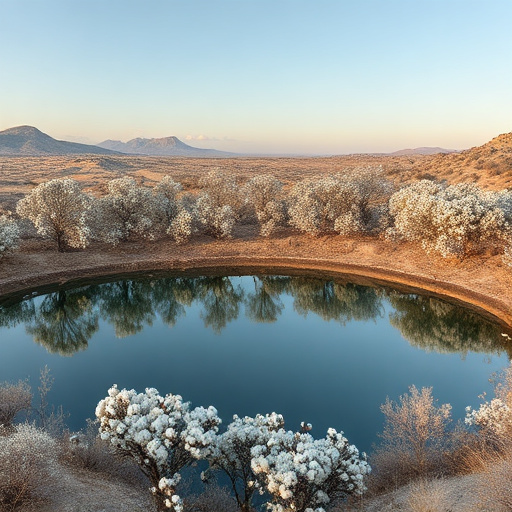
The Sonoita town guide offers a unique window into the rich history and vibrant culture of this charming Arizona wine country. For stargazing enthusiasts, the clear night skies above the Sonoran Desert create an unparalleled experience. However, the area's history, deeply rooted in ranching and rail, often gets overlooked. This guide examines the past, exploring how the region's ranching heritage and the arrival of railroads shaped Sonoita and the surrounding communities like Elgin and Patagonia. By understanding these foundational elements, visitors gain a deeper appreciation for the area's unique character, making their wine country weekend all the more memorable.
- Ranching Roots: Early Settlers and Their Legacy
- Railroads Transform the Region: Construction and Impact
- Stargazing in Wine Country: Celestial Connections
- Wine and Rails: A Historical Symbiosis
Ranching Roots: Early Settlers and Their Legacy
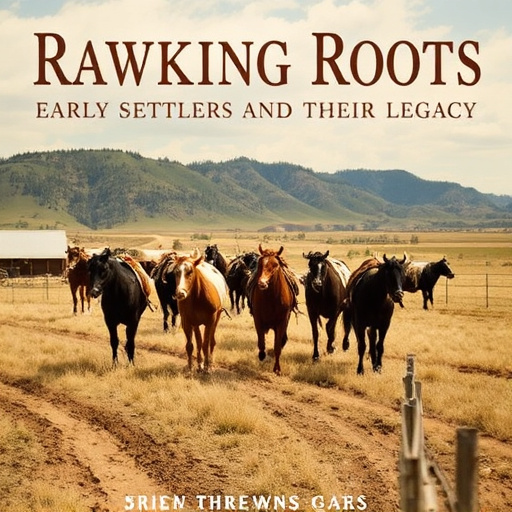
The ranching roots of the Sonoita town guide area run deep, shaped by the resilient early settlers who found fertile ground in the Sonoran Desert. This small town, nestled amidst the grasslands and rolling hills, was once a hub for cattle ranching and a vital link in the state's agricultural landscape. The legacy of these pioneers is evident in the lush vineyards that now thrive in the region, a sign of the area's unique microclimates and rich soil.
The Sonoita Wine Trail, a popular destination for wine enthusiasts, traces its origins back to these ranching days. Local guides, many of them descendants of the original settlers, offer electric van wine tours, providing a unique perspective on the area's history while showcasing its world-class vineyards. These small town 1-3 mile treks through the grasslands offer a chance to stargaze in wine country, witness the region's diverse wildlife, and immerse oneself in the local culture. A visit to the Sonoita Creek, once a vital water source for ranches, can reveal the intricate interplay between ranching and the natural environment.
The railroad history of the nearby Patagonia region adds another layer to the area's rich heritage. The arrival of the tracks brought both prosperity and challenges, connecting Sonoita to larger markets but also transforming the landscape with the advent of modern transportation. This historical context is still palpable in the town's architecture and the stories passed down through generations. The annual Sonoita fairgrounds and rodeo, a tradition steeped in ranching lore, keeps these roots alive, attracting visitors who appreciate the small-town charm and authentic experiences.
Railroads Transform the Region: Construction and Impact
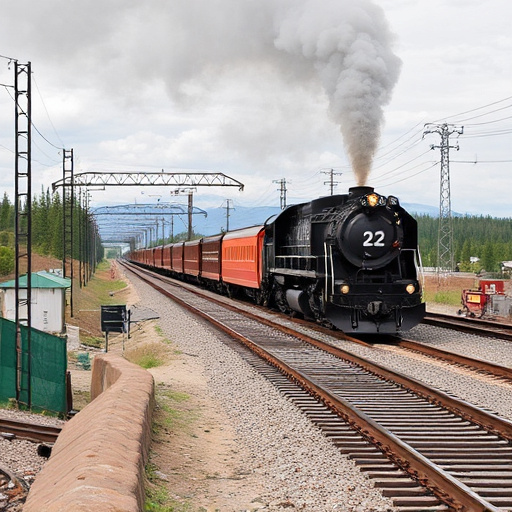
The construction of railroads in the 19th century fundamentally altered the landscape and economy of what is now known as wine country, particularly in Patagonia and the surrounding small towns like Sonoita. These iron paths, stretching across the vast Sonoran Desert, connected remote areas, enabling the transportation of goods, people, and ideas. In Sonoita, for instance, the arrival of the railroad spurred a boom in ranching and agriculture, opening new markets for local produce. The change was not just economic; it brought about a cultural shift, transforming the way residents lived and interacted.
For stargazing in wine country, the railroad's impact is notable. The open skies and minimal light pollution of the desert night made Patagonia a prime location for astronomical observations. Local guides, like the one who drives guests to Sonoita and Elgin wineries, often double as stargazing experts, leading tours that highlight the region's celestial beauty. The rail lines, now largely abandoned, crisscross the dark skies, providing a unique perspective on the constellations above. This historical context adds a layer of intrigue to modern stargazing experiences, offering visitors a chance to connect with the past while admiring the night sky.
The railroad history of Patagonia is a sign of the resilience and ingenuity of early settlers. The rugged terrain and harsh climate presented significant challenges during construction, yet the tracks were laid, connecting the region to the wider world. Today, remnants of these railroads can still be seen in the landscape, particularly around Parker Canyon Lake and the Canelo Hills. These historic sites not only attract history buffs but also serve as a reminder of the transformative power of infrastructure development. The legacy of these railroads continues to shape the small towns of the area, influencing their character and attracting visitors interested in both the past and present of what makes wine country unique.
Stargazing in Wine Country: Celestial Connections
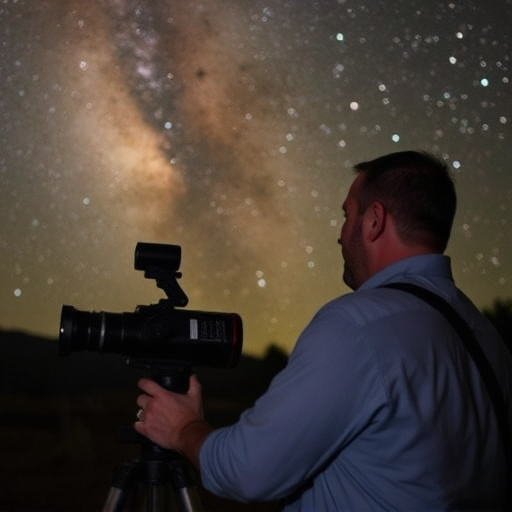
Stargazing in Wine Country: Celestial Connections
The vast night sky above the rolling hills of Santa Cruz County offers a unique spectacle, especially in areas like Sonoita, known for its clear, dark skies. This is not just a picturesque view; it's a chance to connect with the cosmos and the history of the region. The area's ranching and rail heritage is intertwined with the celestial, creating a distinct experience for wine country visitors.
The Sonoita Wine Trail, a network of local wineries, offers more than just a tasting tour; it's an opportunity to immerse yourself in the night sky. Many of the trail's stops are nestled in scenic spots, providing the perfect vantage points for stargazing. A local Tucson wine tour operator often includes this activity as a unique selling point, appealing to those seeking a memorable, immersive experience. The lack of light pollution in these rural areas means that amateur astronomers and seasoned stargazers alike can enjoy a breathtaking view of the Milky Way, planets, and constellations.
One of the highlights for stargazing enthusiasts is the annual stargazing event at the Sonoita Creek. Local wineries collaborate to host this celebration, combining wine tastings with astronomy talks and live music. This event showcases the region's passion for both wine and celestial exploration, attracting visitors who appreciate the blend of history, culture, and natural wonders. The event is a sign of how Sonoita leverages its unique geographical advantages, offering a peaceful getaway that connects guests with the rich history of ranching and railroading while also providing a glimpse into the mysteries of the universe.
Wine and Rails: A Historical Symbiosis

The history of wine and railways in Sonoita is a fascinating tale intertwined with the town's unique character. This small community, nestled in Santa Cruz County, has witnessed the evolution of both industries, leaving a rich cultural legacy. The Sonoita Wine Trail, a network of vineyards and wineries, wouldn't exist without the railroad that once crisscrossed the region.
In the late 19th century, the arrival of the railroad in what is now Sonoita and Elgin brought new life to the area. It facilitated the transport of goods, including the region's renowned wine, and attracted visitors from across the country. The railroad's impact was profound; it connected remote vineyards to larger markets, fostering a thriving wine industry. Today, visitors can still trace this historic route, enjoying scenic train rides that offer a unique perspective on the surrounding grasslands and towering mountains like Santa Rita and Mustang.
Stargazing in wine country is another draw for Eco Buzz Tours' guests. The clear, dark skies above the Sonoita Valley provide an ideal setting for astronomical exploration. Local guides often lead winemaker dinners under the stars, combining the region's culinary and viticultural heritage with its natural wonders. These experiences offer a blend of history and contemporary charm, reflecting the area's past as a ranching community and its present as a vibrant wine destination. The annual Sonoita Fair and Rodeo, with its rich history, attracts visitors seeking a taste of small-town life and the authentic spirit of the West.
Frequently Asked Questions About a Look at the Ranching and Rail History of the Area
What is the significance of ranching in the area's history? Ranching played a pivotal role in shaping the economic and cultural landscape of this region. It began in the mid-19th century when Spanish and Mexican ranchers introduced livestock grazing practices. Over time, the industry grew, with cattle and sheep ranching becoming a primary source of income for local families. The rugged terrain and vast open spaces provided ideal conditions for ranching, fostering a deep-rooted tradition that continues to influence the area's identity.
How did the arrival of the railroad impact the region's development? The construction of railroads in the late 19th century revolutionized transportation and commerce. The Southern Pacific Railroad, in particular, connected the area to larger markets, facilitating the export of agricultural products and livestock. This led to a boom in ranching and farming, as farmers could now access wider markets for their produce. The railroad also played a crucial role in the development of towns like Sonoita and Elgin, attracting businesses and residents and fostering their growth.
When did the wine industry start thriving in the area? The area's wine industry began its ascent in the late 20th century. Soils and microclimates suitable for viticulture were discovered, attracting winemakers and enthusiasts. The early 1980s marked a significant turning point, with the establishment of several wineries and vineyards. Today, the region is known for its diverse wine styles, attracting tourists and wine enthusiasts from around the world.
How has the area preserved its ranching heritage? Many ranching families have actively preserved their heritage, passing down traditions and land management practices for generations. Conservation efforts have focused on sustainable ranching practices, including responsible land stewardship and wildlife conservation. The area's ranching communities have also contributed to local cultural festivals and events, showcasing their history through rodeos, horse shows, and traditional cattle drives.
Can visitors explore the region's ranching and rail history? Absolutely! Eco Buzz Tours, a local wine tour operator, offers unique experiences that examine the area's history. These tours often include visits to historic rail sites and museums, providing insights into the region's past. Local tour guides can take guests on scenic drives through ranching communities, allowing them to witness the traditions and landscapes that have shaped the area's identity.
The Sonoita town guide offers a unique lens into the area's rich history, where ranching and rail development have left indelible marks. From the early settlers' ranching roots to the transformative impact of railroads, the region's story is one of resilience and innovation. This history is not just confined to museums; it's woven into the very landscape, from the vast grasslands to the majestic mountains.
Stargazing in wine country isn't just about the night sky; it's a cultural experience rooted in this region's history. The same stars that once guided early settlers now light up the evenings for wine enthusiasts. This symbiotic relationship between history and contemporary culture is what makes Sonoita so captivating.
In practical terms, understanding this history can enhance your experience. Whether you're a wine lover enjoying a tour, a history buff on a road trip, or a first-time visitor, immersing yourself in the area's past offers a deeper connection. From the local cuisine to the accommodation, and the events that bring the community together, the Sonoita town guide provides a roadmap to explore this history and its ongoing relevance.
The article's insights into the ranching and rail history of Sonoita are a sign of the region's unique character. By embracing these roots, visitors and locals alike can appreciate the deep-seated traditions that continue to shape this charming, cooler-than-Tucson small town.
The Sonoita area, steeped in ranching and rail history, offers a unique blend of wine country charm and stargazing opportunities. The Sonoita Wine Trail, guided by descendants of early settlers, showcases the region's microclimates and world-class vineyards. The nearby Patagonia region's railroad history, with its challenging construction through the Sonoran Desert, adds to the area's rich heritage. This history is reflected in the town's architecture and annual events, like the Sonoita Fair and Rodeo. Stargazing in wine country here means enjoying clear, dark skies, guided by local experts who share the region's past and present.